February 18th 2024: Rhodri Brady

2 Peter 1:16-21 The Inerrancy of Scripture

The inherent see of scripture means the Bible has no mistakes. It is completely accurate. This is something the apostle Peter emphasises.

  1. Inerrant Light

Peter speaks about the Bible as a prophetic message which is completely reliable, And we have the prophetic word more fully confirmed, to which you will do well to pay attention as to a lamp shining in a dark place, until the day dawns and the morning star rises in your hearts.” (v.19). You need to listen to the Bible. It can be relied on. It’s like a light shining in a dark place. In verse 20 Peter elaborates, “Knowing this first of all, that no prophecy of Scripture comes from someone’s own interpretation.” We need to think of the Bible in the right way; it’s not great ideas from men and women. Peter says, “For no prophecy was ever produced by the will of man, but men spoke from God as they were carried along by the Holy Spirit.” (v.21). Prophets, though human, spoke from God. God provides light. The Holy Spirit is that light. The biblical writers spoke from God as they were carried along by the Holy Spirit.

What are the implications of this?

  • Unblemished Word.

We need to come to the Bible in the right way. The authority of the Bible is speaking to us. We have to listen to it. It is from God. Peter says God wrote the bible, therefore, it is without error. It is true. God is good and does not make mistakes. We need to submit to the word of God because God wrote it. Whenever anyone says the Bible is wrong or contradicts itself, they’re saying God is wrong and they’re better than God. That’s blasphemous. Everything the Bible says is true – not some of it, but all of it! It is an unblemished word.

  • Flawless Revelation.

Remember, the apostle Peter tells us the Bible is completely reliable, it is God speaking. The people wrote as they were carried along by the Holy Spirit. The word of God is God -breathed. Listen to what the Holy Spirit says in His word. Anyone who says part of the Bible is true, is not trusting God.

Every word of God proves true;
    he is a shield to those who take refuge in him.” 
Proverbs 30:5

David loves the word of God so much he writes the biggest chapter in the Bible about the Bible. The whole of the Bible is true, even every dot on an eye. Matthew writes, “For truly, I say to you, until heaven and earth pass away, not an iota, not a dot, will pass from the Law until all is accomplished. (Matthew 5:18).

We can open the Bible and say all of the Bible is true. Jesus says to the Pharisees, “Have you not read …” everything we listen to is true. That is why in church the Bible reading is the most important of all. Something happens when we’re all together, listening to God’s word. We look to him.  “For I am sure that neither death nor life, nor angels nor rulers, nor things present nor things to come, nor powers, 39 nor height nor depth, nor anything else in all creation, will be able to separate us from the love of God in Christ Jesus our Lord.” (Romans 8:38-39).

The Bible is about the Lord Jesus, His salvation. It is true. Come to Him and He will give us rest. We can all come to Him. If we have an invitation to come, then we are meant to come. Peter preaches in Acts 3 saying, Repent therefore, and turn back, that your sins may be blotted out, 20 that times of refreshing may come from the presence of the Lord, and that he may send the Christ appointed for you, Jesus, 21 whom heaven must receive until the time for restoring all the things about which God spoke by the mouth of his holy prophets long ago.” (Acts 3:19-21).

No-one will be turned away, “All that the Father gives me will come to me, and whoever comes to me I will never cast out.” (John 6:37). Believe the promises of the Bible. When the Lord Jesus speaks, we can be confident. The message of salvation is true. The great hope in the inerrant word of God.

May 21st 2023: Tom Baker

You can watch this service by clicking on the link to our YouTube Channel: https://youtu.be/fRAaRy-osOA

2 Corinthians 12:9

The Sufficiency of Grace

When Paul pleads for the ‘thorn in his flesh’ to be removed, the Lord’s response is, “My grace is sufficient for you, for my power is made perfect in weakness.” (2 Corinthians 12:9). The grace of God is sufficient. God’s grace and goodness towards His people is enough. The apostle Paul came to one of the climatic points of the grace of God. He is understanding and expressing something of the grace of God. In chapter 8 he shows the generosity of the Lord Jesus. He goes on to describe this, “For you know the grace of our Lord Jesus Christ, that though he was rich, yet for your sake he became poor, so that you by his poverty might become rich.” (2 Corinthians 8:9).

The Lord Jesus, who is rich in glory, comes to people like us, who are destined for destruction because of our sins. He comes like one of us and lives a perfect life amongst us. He bears our greatest poverty; He bears our sin, goes to the cross for us so we can be exalted and lifted up to God.

Here, Paul tells us about the grace of God in Jesus Christ and how immense it is. He does it in the context of his own weakness and the trials he has faced. Against the backdrop of human weakness, the grace of God shines ever brighter. Paul gives his example – he’s a well-known character in Corinth but others have come in and tried to push him aside. Theses ‘super’ apostles have false ministry. The apostle Paul looks so weak. He speaks far less eloquently. He comes and speaks about a man who died on a cross in weakness for the sins of His people. Though the ‘super’ apostles comes with so much more, he would rather make a big deal about his weakness, so he’s seen less and Jesus Christ is seen more. Against the dark background, the grace of God shines far brighter.

Paul has a weakness which he pleads three time of the Lord to take away from him. We may have prayed for things to be taken away. Paul prayed and pleaded with God. As he pleads with God, he gets an answer which might seem quite surprising. It teaches about Christian weakness and the greatness of God’s grace.

How does God respond to Paul’s plea? 14 years preciously, Paul had an unspeakably glorious vision. He was forbidden from telling what it was about. He was lifted up into the third heaven and saw amazing things. How have the past 14 years been for the apostle after this experience? Has life been easy after this wonderful experience? No! He had 14 years of great difficulty. He had been given a ‘thorn in the flesh, a messenger of Satan.’ It’s always there, he is always aware of it. It hurts. It has been given to him to keep him grounded. He pleads three times for it to go, but the answer is no.

Why does the Lord not take the ‘thorn’ away from Paul? The Lord graciously gives Paul a reason. It is because of the grace of God. The Christian can know that the answer, whether it’s a yes or no, it is always gracious. He always deals kindly with His people. Everything He gives to His people, even trials and difficulties, are gifts from the hand of a gracious God. The thorn is because of God’s grace. Spurgeon suffered persistent troubles and reflected, “The greatest earthly blessing that God can give to any of us is health, with the exception of sickness.” There can be great blessings in the hardships of life.

We have to assume that the Lord Jesus means the same thing as He did in when He said, “For you know the grace of our Lord Jesus Christ, that though he was rich, yet for your sake he became poor, so that you by his poverty might become rich.” (2 Corinthians 8:9). Paul is being taught, in the midst of the trial he is facing, the gospel of Jesus Christ is enough. The Lord tells Paul that His grace is sufficient. The grace found in the gospel is all that the Christian needs. We need that grace more than we need our trials to go away.

How does the Christian measure the gift from the Lord? We measure the goodness of a gift by which it makes us love the Lord Jesus more. It is a good gift, no matter how painful it is, if it makes you love the Lord Jesus more. Have you seen the preciousness of Jesus Christ in His gospel? Have you come to understand just how wonderful He is? Have you begun to see beyond the trials and the difficulties, He’s worth much more than anything else?

Who is it who can know the sufficiency of God’s grace? “My grace is sufficient for you, for my power is made perfect in weakness.” (2 Corinthians 12:9). In the first instance it is the apostle Paul. We don’t know what his ‘thorn in the flesh’ was, whether it was a physical illness, false apostles (11:13), or a spiritual struggle from the churches. Some suggest it could be a possible sin he struggles with, but I don’t think so. My surprise is that Paul only struggled with one trial. The truth is, we don’t know, it is left open.

The apostle Paul is an example of someone who is weak. The words are spoken to any who come in weakness who walk with the Lord. In your weaknesses what do you need? The grace of Christ. Christ died for the ungodly. The grace of God is sufficient for any weakness. There’s enough vagueness here to realise God’s grace is enough for any of us. It is sufficient in every area of life – in redemption, in dealing with our sin. The most gracious act of God is seen in the Lord Jesus Christ dying on the cross for our sins. It is finished! It is sufficient for the work of redemption. It’s sufficient in every circumstance of life. You can lose every comfort but if you have the grace of God, if you can know that Jesus Christ is yours, then you have enough, you have all you’ll ever need.

In the end, as we stand before God in judgement, in His presence, what can we offer? Nothing. Even in the best aspects of your life, you can’t deal with the problem of sin. We come and we have Jesus. Nothing but Jesus. God says, ‘Enter in,’ you’re righteous in the sight of God. Can you say, ‘God’s grace is enough for me?’

How is it that God’s grace is sufficient for us? “My grace is for you, for my power is made perfect in weakness.” (2 Corinthians 12:9). God is all-powerful, awesome and mighty. He sustains the universe. He sent His Son into the world and raised Him from the dead as a new creation.

Where do we see most clearly the wondrous grace found in God made perfect? When, out of our weakness, God powerfully displays the glory of His grace, when God works in the weakest of situations. We see it in the wonderful things Jesus says and does in His ministry, in His miracles. But it is most powerful as Jesus Christ laid in a tomb and was then raised from the dead – power out of weakness. When God saves you, He takes you lout of death and sin and brings you to life and uses us in our weakness. This shows the sufficiency of God’s grace. Do your hardships of life draw you nearer to Christ? Christian trials draw you nearer to Christ.

What effect should it have? “Therefore I will boast all the more gladly of my weaknesses, so that the power of Christ may rest upon me.” (2 Corinthians 12:9b). That’s how Paul sees the right response. He is not a professional victim. He boasts in his weakness as a vehicle for displaying the power of Christ. When our weakness is our characterising feature, then we see how great the Lord is. Without grasping the grace and goodness of God towards sinners, this doesn’t make sense. Apart from the grace of God, we seek the need to cover our faults. You don’t need to do that. The God of heaven show grace to all sinners. He knows how weak we are and He loves to deal kindly with us. He doesn’t exploit us in our weakness. He saves us from our sin and uses our frailty to display His glory in all the world. We need to stop, step back and see the big picture. There is a God in heaven who shows His grace towards sinners. In our weakness we must magnify the greatness of God by being totally satisfied in the grace of God.

Let your legacy not be some façade of strength, but let it be the strength of Christ. “My grace is sufficient for you, for my power is made perfect in weakness.” (2 Corinthians 12:9).

June 26th 2022: Ian Middlemist

To watch this service, click on the link to our YouTube channel: https://youtu.be/uZdzHJOczJI

The Reasoning of our Hearts.

An argument arose among them as to which of them was the greatest. 47 But Jesus, knowing the reasoning of their hearts, took a child and put him by his side 48 and said to them, “Whoever receives this child in my name receives me, and whoever receives me receives him who sent me. For he who is least among you all is the one who is great.”

49 John answered, “Master, we saw someone casting out demons in your name, and we tried to stop him, because he does not follow with us.” 50 But Jesus said to him, “Do not stop him, for the one who is not against you is for you.”

Luke 9: 46-50:

We’re not engaging in a dialogue here. I’m speaking to you. Yet you have many thoughts, many tensions in you, pulling you this way and that, all the time. There are times when we dialogue, when we discuss. It is a great way of working through our problems. This is such an important discipline. God has created human beings with dialogue as a means of growth. The Holy Spirit ministers to us through His Word, the scriptures. He does not minister to us through our feelings, but through the powerful application of the truth of His Word in our lives. Does your thinking align with the scriptures?

There is this dialogue that is going on between Jesus and His disciples – two dialogues are taking place: between the disciples, as an argument arose (v.46) and a dialogue within themselves, within each of them. Jesus may not have actually heard what the disciples say to each other. In Matthew’s account they come to Him and ask, “Who is the greatest in the kingdom of heaven?”  (Matthew 18:1)

In Mark’s account, Jesus asks them the question, “What were you discussing on the way?” But they kept silent, for on the way they had argued with one another about who was the greatest.” (Mark 9: 33b-34). He is drawing out what is in their mind. What is implicit in Matthew and Mark is made explicit in Luke’s account. Jesus knew the reason of their hearts. He knew what was going on inside their minds and inside their hearts. Jesus knows what’s going on inside your thoughts and minds today, also. What is going on in your heart today?

Whilst the disciples had their open dialogue, there’s an internal dialogue and it led them to think firstly, that they were great. Secondly, to ignore children. Thirdly, to reject the outsider doing good.

Who is the greatest?

Luke clearly highlights the disciples’ worldly attitude in contrast to Jesus’ just previous prediction of His own death. The disciples were ignorant of what Jesus meant. Jesus knew their jealous thoughts. The question in verse 46 has to do with rank. How on earth did they get themselves into this position? Perhaps we’re not that far from it? The disciples arguing becomes an ugly position. How were they great in Jesus’ eyes? In chapter 6:12-16, Jesus chose them. They were in His presence whilst the Lord Jesus did amazing things. In chapter 9 the disciples are now being used by God’s hand to do amazing things. In chapter 6, only after an entire night of prayer, Jesus names these twelve.

We are not like other people; we are the people of God. Amazing! In chapters 6-8, the twelve have been eye-witnesses to His majesty in the most powerful teaching that came directly from heaven. At the start of chapter 9 the disciples are commissioned by Jesus to go out and do acts of power. All of this might have gone to their heads. As we know, when someone gets a status in society, it so often goes to their heads.

Are you a dog person or a cat person? Or neither? The master pets the dog, makes a fuss of the dog, gives him treats. The dog wags his tail and says, ‘My master must be god’ and worships the owner and is loyal to him. The master pets and cuddles the cat. The cat purrs and enjoys receiving gifts. The cat says, ‘I must be god.’  That seems to be the way cats respond to being made a fuss of, of being chosen. The cat responds by thinking he must be god, the dog responds by thinking the owner must be god.

How perverse our human nature is. God gives us the attention and love. He showers blessings on us all the time and we start to think, ‘I must be god because He loves me so much’ We must be good because He loves me so much.’ How wrong we are. The Christian must never say, ‘God loves me because I’m deserving of it.’ We must never allow our thoughts to go there. God loves our sinful selves. Our satisfaction is not found in the fact that we are chosen, or special in any such way. Our satisfaction is found in the love of God, in Him, not in our status or position.

Children – the company you keep.

Who do I not want to keep company with? The culture of the time was different to ours. In our day, children are very important. Scripture Union have a campaign – 95% of under 18s don’t go to church. We should be concerned, praying, and reaching out. On the other hand, our society has great care for children. We see great carelessness about parenting. It is very different to the way children were treated in the disciples’ day. Children were seen as a waste of time back then. We see in Luke 18, the disciples sending the children away from Jesus because they thought Jesus was too important to talk to children.

The disciples thought greatness was something to do with the company you kept. The child was loved, I’m sure, but powerless and unimportant in that society. So, why spend any time with a child? Jesus says, “Whoever receives one such child in my name receives me.” (Matthew 18:5)

Peter, James and John thought that being on the mountain top meant that they were now greater. They were completely wrong. Jesus wasn’t saying you find greatness in being kind to children, but how they relate to God the Father. You can’t think highly of yourself and highly of Jesus. Greatness is a gift. Those who’ve received this gift will think lowly of themselves and will think highly of the lowly. They’ll lift them in their thoughts. This isn’t to say that the lowly and children are to be thought of as sinless, or to be mimicked. God has gifted you and all the people here today with experience. That’s important. We adults have responsibilities, God-given responsibilities. You cannot think highly of yourself and highly of Jesus. These disciples thought highly of themselves because of who they spent time with: Moses, Jesus and Elijah. We are to be humble before the Lord.

Verses 49-50: Here we see another man casting out demons. How the disciples react to him has a bearing on how they see themselves and how they see the Saviour as great. Their reaction to this outsider has a bearing on how their hearts were doing. It exposes the reasoning of their hearts.

John and co have known encouragement and the power of God through their own fingertips. John and co have gone on the mountain top and they have witnessed the Saviour’s transfiguration. John and co were chosen. Now someone else is doing similar work, doing work John and co. have been doing. How dare he! He wasn’t one of the elite, the twelve squad. The man is claiming to have the same power. He clearly wasn’t from within their camp. We might have the same thoughts.

These disciples thought exorcism was their exclusive ministry, only for the 12 squad. How do you feel when others succeed? This comes up in the church quite a lot. How do we feel when others are promoted, and we don’t get the acknowledgement we deserve? How do we feel when someone has been around less than we have, and they’ve been promoted? This can happen in the workplace and the church. Not only within ourselves but as we consider the outsider church. What statements do we make about the outsider when they are demoted, when they’re humbled? Do we rejoice a little bit?

I really don’t think John was expecting Jesus to respond like this. When John approaches Jesus saying, ‘This guy is casting out demons,’ perhaps he thought Jesus would tell him off. Jesus responds completely opposite, ‘This guy isn’t in the 12 squad but he’s doing a good thing. Don’t stop him.’ His rule is simple – whoever is not against you is for you. Have an open heart. Let them be blessed. Be thankful for that blessing if it is from God. The fact that they don’t come from our camp doesn’t make a difference. If they are doing God’s work, do not stop him. How many experienced Christians have tried to stop others from making progress, simply because they are not from our camp? See the danger of this. Take it seriously. If the gospel is being preached, we must say, ‘Hallelujah,’ especially in these days It may not be from our tradition but thank God the gospel is being preached. (Numbers 11).

Paul says, “What then? Only that in every way, whether in pretense or in truth, Christ is proclaimed, and in that I rejoice.” (Philippians 1:18). Paul is not being careless. He’s seeking a desire for the gospel to be preached. Let’s pray for the gospel to be promoted from wherever.

In these three instances, the reasoning of the disciples’ hearts was exposed. He who is least among you, he is the greatest. The disciple who is prepared to identify with the lowly, to receive them, to minister the kindness of the gospel to them, that’s what the Christ-like mind says. Because Christ directs his heart to the lowest place of all. He directs His gaze, his vision to the cross. That’s how willing He was to be humbled.  

In Luke chapter 2, in the infant account we read, “Behold, this child is appointed for the fall and rising of many in Israel, and for a sign that is opposed (and a sword will pierce through your own soul also), so that thoughts from many hearts may be revealed.”(Luke 2:34-35).

This is the ministry of the Lord Jesus. He is revealing our hearts. Are you someone who keeps company with children? You understand, when I speak about children now, that I’m not just talking about children, I’m talking about anyone who society thinks, ‘that person’s a waste of time.’ Are you someone who’s told the outsider to stop? Let’s seek to turn away from such reasoning in our own hearts. Let’s be humble before the Lord. Let’s exalt the name of Jesus Christ in our midst.


9th April 2017: Gaius Douglas

Luke 19: 11-27

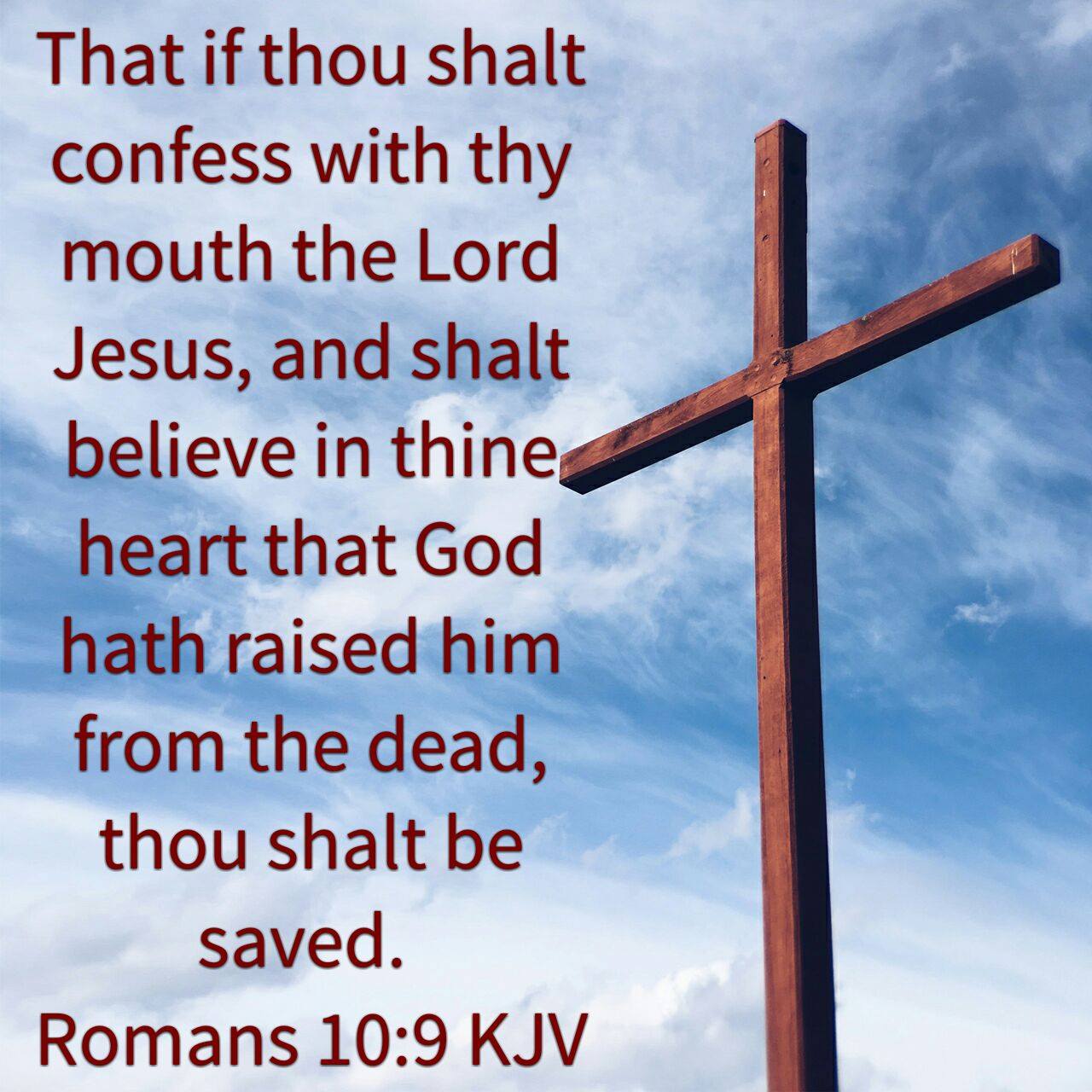
A survey carried out by the BBC and reported on this morning’s news has suggested ‘a quarter of people who describe themselves as Christians in Great Britain do not believe in the resurrection of Jesus.’ Furthermore, ‘exactly half of all people surveyed did not believe in the resurrection at all.’ This brings to mind Romans 10:9 

Romans 10-9 KJV

‘Occupy till I come.’ On the authority of the Word of God, if Christ is was not raised from the dead then there is no life. Some people can take a bit of the Bible and not accept it. You cannot do any work for the Lord Jesus Christ if you don’t believe in the Bible. You can’t be a Christian if you believe in only parts of the Bible. The Word of God is living. If you know Christ, you are indwelled by the Father, Son and Holy Spirit. Jesus said to Philip, ‘Have I been so long time with you, and yet hast thou not known me, Philip? he that hath seem me hath seen the Father; and how sayest thou then, Shew us the Father?’ (John 14:9).

In the parable in these verses the nobleman, before travelling to a far country, ‘called his ten servants, and delivered them ten pounds, and said unto them, ‘Occupy till I come.’ (Luke 19:13). The number 10 in the Bible speaks of God’s authority. ‘I am the LORD, and there is none else, there is no God beside me.’ (Isaiah 45:5). This is the God we serve. Not even Satan in all his power can do anything to you without God allowing it.

“Occupy till I come.” (Luke 19:13) Are you occupied? Are you looking forward to the Lord Jesus Christ, to seeing Him, to His coming? In the very last prayer in the Bible we read, ‘Even so, come, Lord Jesus.’ (Revelation 22:20). When Paul introduces the remembrance of the Lord we again read, ‘For as often as ye eat this bread, and drink this cup, ye do shew the Lord’s death till He come.’ (1 Corinthians 11:26). He is coming! Whether we are looking forward to it or not, He will come to receive us to Himself. He has redeemed us, not for this world, but for Him. Wonderful! We shall be like Him forever. Pray the reality of His coming will take us away from our circumstances. The cry of our heart should be, ‘Even so, come, Lord Jesus.’ (Revelation 22:20).

‘Occupy’ is not a passive word, it is active. We are doing something for Him. In this parable the nobleman chose ten servants. He gave them a £1 each and said, ‘Go and do something with it.’ Nine of them used their initiative, one of them did not. One of them thought, ‘There’s a risk. Let me weigh up the master’s character – he’s an austere man.’ Are you frightened of your Saviour? If so, you don’t know Him. The servant wrapped up the coin he had been given and put it away, making sure no-one touched it. In the past many kept the Bible under lock and key so the masses could not read it. So often we keep the Word of God under lock and key.

What has Christ done to your soul? He has saved it by grace – not because of anything you and I deserve – it’s for His glory. He saved us because He loves us, He bore our punishment and redeemed us. Now He wants us to do something for Him – to occupy till He comes.

The Lord gave the ten people in this parable something to do. He had redeemed them and brought them into newness of life. He gave them something and wanted them to do something for Him. Occupy. Do we take an interest in the Word of God? If Christ has done something in your heart you should be able to say, ‘I love the Lord Jesus.’ So many of us are like the last servant, we wrap up the Word of God and blend into this world. There was a time when Peter blended into the people, when he denied the Lord. So often we just want to blend into the world, we don’t want to be different. If you say, ‘I can’t testify for the Lord,’ you don’t know the Lord. The Spirit of the Lord is there to give you the words. If you love Him, don’t wrap Him up. The Spirit of God gives you the liberty to tell others about Jesus Christ.

The Lord says to this servant that he was one of his. He wasn’t lost. Which of the servants are you like? If you want to be like the first servant, pray. So many of us are like the last servant – we don’t want to stand out, we’re not occupied. The Lord used the servant’s own words to condemn that man. ‘And he saith unto him, “Out of thine own mouth will I judge thee, thou wicked servant. Thou knewest that I was an autere man, taking up that I laid not down, and reaping that I did not sow: Wherefore then gavest not thou my money into the bank, that at my coming I might have required mine own with usury?”’ (Luke 19: 22-23)  (ursury – interest).

When the Lord sends us into His vineyard, He sends us where He has already sown, ‘Lift up your eyes, and look on the fields; for they are white already to harvest.’ (John 4:35). We are to reap. We just need to open our mouths and say, ‘Jesus loves you.’

Christ has gone out of His way for you. He gave His life for you. What are you going to give Him? What are you doing to tell others that Jesus saves? What are you doing to save them from hell? He says ‘Occupy till I come.’

The servant lost the joy of his salvation. When we miss opportunities we lose something of this joy. Psalm 51 was a psalm written by David after he had committed the sin of sending Uriah into battle, after sleeping with Uriah’s wife. The Lord was angry with David. David cried, ‘Restore unto me the joy of thy salvation; and uphold me with thy free spirit.’ (Psalm 51:12). This man had lost something of the joy of his salvation. We are told in Philippians 4:4, ‘Rejoice in the Lord always.’ If we’re not rejoicing in the Lord we will struggle to tell others about Jesus. We are not living in the blessings that He’s bestowed upon us. Jesus doesn’t want us to lose the joy of salvation. Hopefully, the last servant went away realising what he had done so he might enjoy the blessings and bounty of Christ. The Lord gave equally to all His servants. When we get to glory we will all be equal. Those who are barely saved are brought in. His grace has saved us and He will never take away that salvation. If the Lord gives us a testimony and we don’t use it He will take it away and give it to someone else, He takes away and gives to those who will make use of it, not someone who will hide it. The joy and testimony will diminish   – but Salvation remains.  The challenge is ‘What are we doing with the £1?’ What are we doing with what God has put in our hearts?