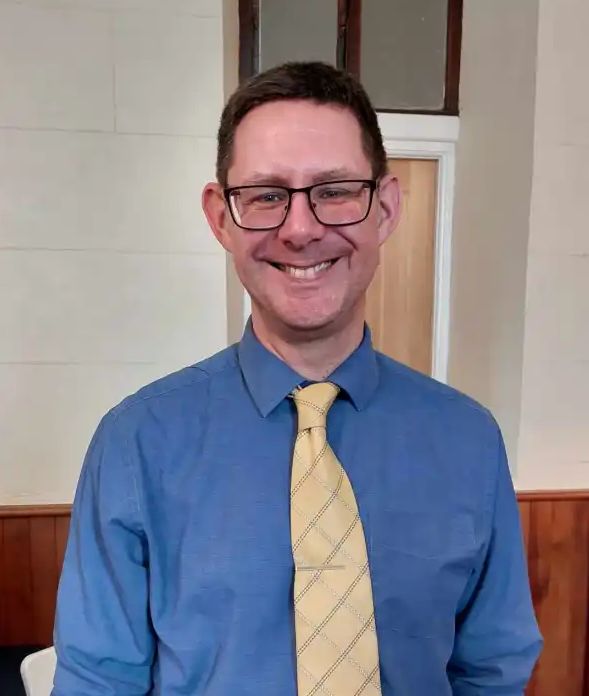
September 10th 2023: David Hails

Psalm 66

There are many ways to think of dividing up time, such as the way time is divided up into calendars and also the academic year. We are now in September, a new academic year. It is often a time to reflect and think about our lives. Psalm 66 gives us good cause to think about a new year. We’re not told who wrote this song; it could be David. There are certainly parts of this psalm which speak in the way David speaks. It is a song. There are lessons for us as well as a challenge. There are three parts to this psalm:

  1. Shout for joy.
  2. Come and see.
  3. Come and hear.

1.Shout for joy because we have a praiseworthy God (verses 1-4).

There is a challenge right at the start of this psalm, ‘Shout for joy to God.’ As we come together Sunday by Sunday, is your desire to praise God? As you get up each morning is your desire to praise God, to give Him glorious praise? As a British, evangelical church, how do these words make us feel? A little uncomfortable? It is OK to shout on the school playground or the Millennium Stadium, but in church, before God, is shouting for joy what we are supposed to do? The psalmist says so. Has our worship become a bit too formal, distant? Is this something we could be learning? I am not looking for chaos, but do we need to be a bit looser? Have we lost some of the joy of worship? Old Testament worship would have been loud and joyous. Let us be desiring and seeking to know His joy, the feeling of His presence in our worship.

We have many reasons to praise God. There are also reasons that bring fear. In this psalm not everyone will praise God, they are seen as enemies of God (v3). The mighty deeds of God are not good news for everyone. The power of God is such, His enemies cannot triumph. The victory is already won, Therefore God has highly exalted him and bestowed on him the name that is above every name, 10 so that at the name of Jesus every knee should bow, in heaven and on earth and under the earth, 11 and every tongue confess that Jesus Christ is Lord, to the glory of God the Father.” (Philippians 2:9-11).

As we look forward, all will worship God and have to acknowledge the mercy and greatness of God. The call of the psalmist is to do this before it is too late. Come to Him, know Him, trust in the Lord Jesus Christ now. Come and worship the only one through which you can be saved.

2.Come and see because we have a mighty God (verses 5-13).

We have a call to come and see what God has done. He is a mighty God. Within section there are three different parts:

Verses 5-7: a call to those outside of Israel, to come and see what God has done. He is calling on those outside Israel to come, to see, to believe, to worship. The primary reason is to come and see what God has done in bringing His people out of Egypt. It points back to history, to the birth of the nation of Israel. It was many years ago, but they are still here. God brought a people together, out of His mercy. It is from the people of Israel that His greatest gift came, the Saviour of the world. He lived in Israel, He died in Israel. He died for the sins of the whole world. He came from the people of Israel for all the peoples of the world. The Lord Jesus Christ came so that sinful people would be forgiven. He lived the perfect life and died a sacrificial death. He did awesome deeds. How do we react? As a foreigner, a Gentile, outside of Israel, how do we respond? There is only one way – in praise, in adoration and glory.

Verses 8-12. The emphasis changes slightly to ‘our’ God (verses 8-9). The psalm goes from a cry of foreigners to come and see to a national cry, to corporate worship. So, today, we are God’s people. We come together today and worship Him together, to proclaim Him together. Praise God that the God of the past and is the same God we worship today.

Verses 13-15. The call now becomes a personal call. Five times the word ‘I’ is used. It is a reminder that our worship is both corporate and personal. Our faith has to be personal. It has to be me: ‘I come,’ ‘I will worship, ‘I will trust,’ ‘I believe.’ Just being part of a church isn’t enough; our faith in God has to be personal. We must believe personally and trust in the Lord personally. Have you believed and trusted in the Lord?

3. Come and hear because He is a personal God (verses 14-20). God is sovereign, He is mighty, but He is also personal. We cannot be a Christian on our own or by relying on the faith of others. We come to worship one who is here, one who is with us. He dwells within you.

There are more challenges for us (verses 17-18). We are pointed back to a call to worship. But who can praise God? As those who claim to be Christians, do you cherish Him or do you hold tightly to sin, to wrongdoing? Does your wrongdoing bring shame to you or bring the light to your heart? We should not expect God to listen to us if we hold tight to sin.

What right do we have to call on God? We need to truly bend the need to worship Him. If we hold tight to our sins, we won’t be able to speak to God, He won’t listen. If we put to death sin, if we repent and turn back to God, to Jesus the one who died so we could be made right with God, we can call on Him.

If we confess our sin, then we can know comfort, joy, and peace. The Psalm finishes,

“But truly God has listened;
    he has attended to the voice of my prayer.

20 Blessed be God,
    because he has not rejected my prayer
    or removed his steadfast love from me!”

Coming to Jesus in repentance, to seek forgiveness, laying down your sins, He hears you and loves you with a steadfast love, a love that never changes, a love that is everlasting.

He gave, out of love, out of mercy, out of grace, so that we can be forgiven and know His everlasting love. God is almighty but also personal. He knows each one of us.
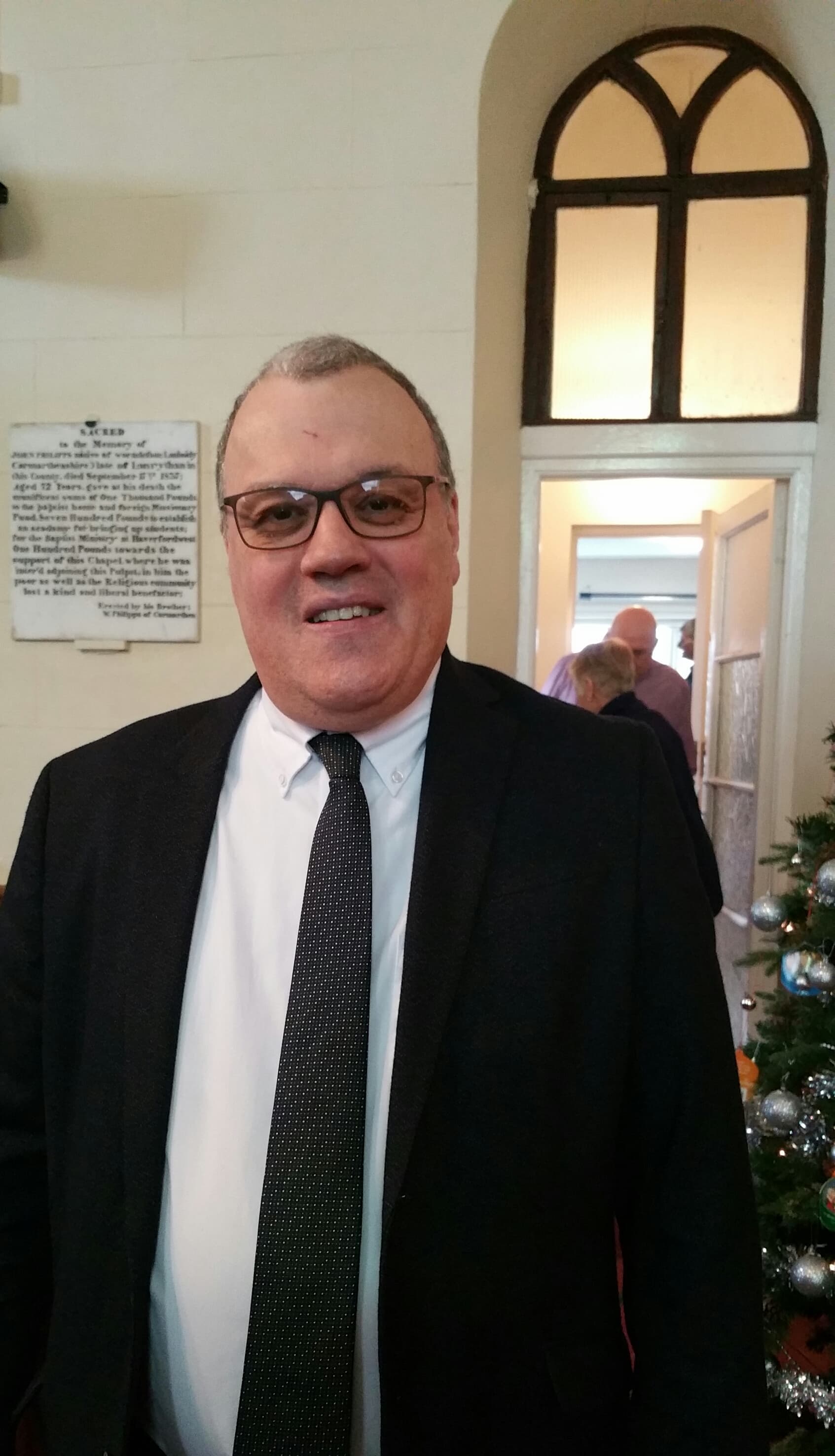
December 31st 2017: Reverend Dr. Gareth Edwards

Gareth Edwards Dec17

How should a believer celebrate the coming of a New Year?

We shouldn’t celebrate in the way others do – with drunken revelry. Is there a particular Christian way of marking the beginning of a new year?

The Jews of the Old Testament marked the beginning of a new year (which would be September in our calendar), in the following way:

‘And the LORD spoke to Moses, saying, “Speak to the people of Israel, saying, In the seventh month, on the first day of the month, you shall observe a day of solemn rest, a memorial proclaimed with blast of trumpets, a holy convocation. You shall not do any ordinary work, and you shall present a food offering to the LORD.”’ (Leviticus 23:23-25).

What we see in these verses is different to the drunken foolishness of New Year celebrations. For the Jews, the New Year was marked by the blowing of trumpets all day. What does it signify about our marking of the New Year?

  1. It is a day with God. ‘The LORD spoke to Moses, saying, “Make two silver trumpets. Of hammered work you shall make them, and you shall use them for summoning the congregation and for breaking camp. And when both are blown, all the congregation shall gather themselves to you at the entrance of the tent of meeting. But if they blow only one, then the chiefs, the heads of the tribes of Israel, shall gather themselves to you. When you blow an alarm, the camps that are on the east side shall set out. And when you blow an alarm the second time, the camps that are on the south side shall set out. An alarm is to be blown whenever they are to set out.”’ (Numbers 10:1-6).

Here, we can see Moses was commanded by God to make two silver trumpets. They had a dual purpose – to sound the alarm in times of danger, particularly in wanderings in the wilderness. The second purpose was to call the people together; one blast was to call the leaders to come to the tent of meeting, two blasts was to call the whole congregation of Israel together before the lord. It was a call to come and worship and offer up sacrifice. The sound of trumpets became synonymous with the voice of God.

There is an on-going call to start the year in the worship of God, to have a day of solemn rest, a holy occasion. No work is to be done, it is a Sabbath day, a day given over to God, to worship God.

So, for the Jews, it was a day to be spent in the presence of the worship of God. Start the year as you mean to go on. Get your priorities right from day one. The priority at the top of the list it to make it a year lived with God and for God. Give the worship of your life to God. Re-dedicate your life to Jesus Christ, your Saviour. Be determined to carry on.

The pattern of the Old Testament worship had a rhythm of worship that infiltrated every aspect of their lives. This should be true of you and I. We don’t follow the same rituals of temple worship, they merely pointed to Christ, to the anointed. But woven into every aspect of our lives must be the worship of the Lord. There is growing secularisation in our land. We are told we can worship, don’t allow this to infiltrate outside. Worship is not what happens in a particular building, but given over to our lives in everything we do every day. We offer ourselves, as Paul says, as a living sacrifice. There is to be a rhythm of worship in our lives, every day: prayer every day, the Word every day, Christ every day.

So how does the believer start a New Year? Start the New Year as he means to go on – worshipping the Lord with all his being, all he possesses, all his abilities, honouring Christ.

  1. The New Year is a day of joy, the Feast of Trumpets. It is a solemn day, but solemn doesn’t mean joyless. It was a day of joy, ‘On the day of your gladness also, and at your appointed feasts and at the beginnings of your months, you shall blow the trumpets over you burnt offerings and over the sacrifices of your peace offerings. They shall be a reminder of you before your God: I am the LORD your God.’ (Numbers 10:10). The sound of the trumpets is a sound of joy, ‘Blessed are the people who know the festal shout, who walk, O LORD, in the light of your face.’ (Psalm 89:15). This Feast of Trumpets began a season of joyful celebration and was quickly followed by two other important feasts; nine days later was the Day of Atonement and then the Feast of Tabernacles. These feasts were celebrations of the joy of salvation – that God would provide sacrifice that would take away their sins.

The Feast of Trumpets began a month of joyful celebrations of God’s goodness to His people. It there any greater joy than beginning the year with Jesus Christ as your Saviour? Is there anything you can add to that to mark the start of the New Year? There is nothing better than the knowledge that our Saviour died for us, granted us His righteousness so we are acceptable with God, knowing we are certain that through Christ we are eternally secure in the everlasting arms of our God. There is nothing that can bring more joy to the soul than that. By His suffering on the cross we begin every year in fellowship with God and with His people. So it’s with joy we mark the passing of the old year and the beginning of a New Year. There is joy of salvation in our hearts. We know that everything up to this point the Lord has provided for us He will continue to provide – every hour of every day through 2018 that God has ordained for us. The start to a New Year is a day of joy.

We are also told the Feast of Trumpets was also a memorial day, a memorial proclaimed with blasts of trumpets. A memorial is not just looking back and being thankful. In looking back in thankfulness we can look forward in anticipation of future blessings.

During this day of the Feast of Trumpets the law, the Torah, was publically read to remind the people of the covenant God had made with His people. The reading of the Torah reminded them how God had promised covenantal faithfulness, how God had committed Himself to them. As they looked back they saw How God had kept His covenant, even though there were many occasions when they had failed to keep the covenant. As they looked back so they looked forward knowing that covenantal grace would be there in the days ahead.

How thankful are you for God’s covenantal faithfulness? Have you thanked Him? God knows our hearts and minds, yet surely we need to express our thankfulness day by day. As we give our thankfulness so we can remind ourselves of His faithfulness. As we give our thanks to Him so we are encouraging ourselves to be confident in Him for all that is to come. Look back in thankfulness but forward in confidence – not confidence in ourselves but in assured confidence in the God of covenantal grace. We have confidence based on our experience of His grace in the past. He has never left or forsaken us. He is always true to His word and His promises.  He is immutable – He never changes. We change, He does not change. We may not be able to keep our promises but He does. There are no circumstances that can overtake Him. He knows the whole of history to come. There is nothing that can cause Him to fail in keeping His promises. He doesn’t change His mind. He is constant, consistent and never changes.

Remember all that is past and trust God for all that is to come.

How does a believer celebrate the New Year? Marking the passing of one year and the beginning of a New Year in the worship of God, in the joy of His blessings, knowing His covenantal faithfulness to us. We are the children of the living God, united in faith, assured of the love of our Father and the abundance of His grace. Worship and rejoice in His covenantal faithfulness. Let’s shout out the praise of our Lord.