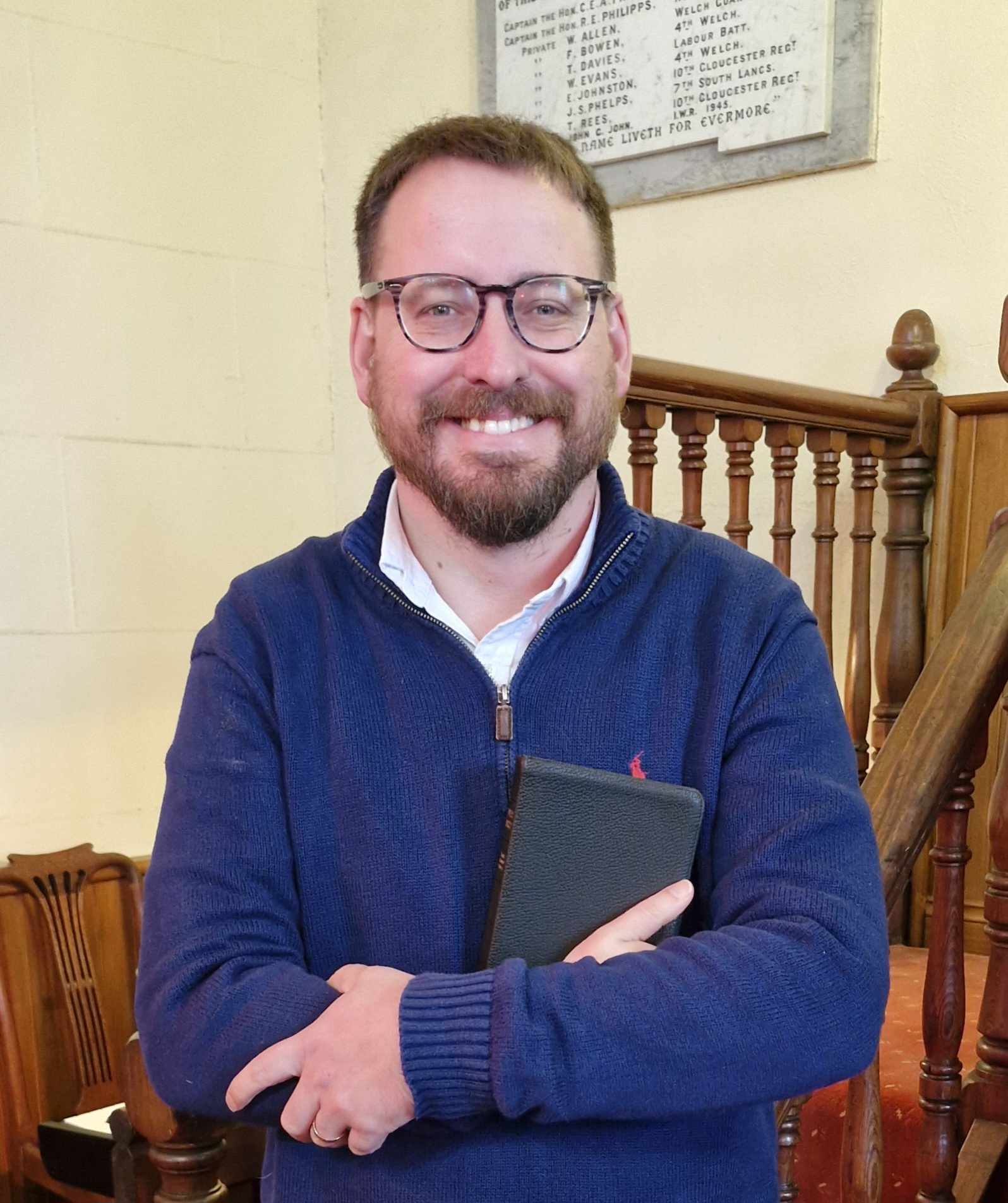
January 19th 2025: John Funnell

To watch this service click on the link to our YouTube channel: https://youtu.be/4sQAq9URbww?feature=shared
Mark 14: 32-42

Who here has a problem with sin?
Who here, when you sin, feels dirty afterwards?
Who gets themselves upset and depressed when they sin?
 Who enjoys the feeling of shame and guilt after sin?

Today, I am going to teach you a method that will help you stop sinning. I do this because I really love you. I do not want you to have shameful feelings. I pray you will leave here living in the joy of living a holy life.

You won’t be perfect; that will be in heaven. To do this, turn with me to Mark 14:32-42. Jesus prays in Gethsemane. Throughout Mark’s gospel, he likes to make comparisons between extreme examples, to make the point. He pairs significant events – people and places in Jesus’ ministry. For example, he does this with the young woman who died at 12 years of age and the woman who bled for 12 years. There’s a comparison to be made there. We see the same things between the disciples and the Pharisees. They both made mistakes and the point between the comparison is the truth between them. Mark also compares different miracles, healing and feeding, and how Jesus controls the natural world. Mark pairs everything off so we can gain further wisdom from the comparisons.

Today’s comparison is between Jesus Himself and the three disciples, “And he took with him Peter and James and John, and began to be greatly distressed and troubled. (v.33). Peter, James and John. We know that Jesus is about to be arrested, brutally murdered by the state for the sin of the world. As God, Jesus knew what was going to happen. As a man, Jesus was utterly terrified. Jesus was absolutely terrified about what was coming – the cross. Jesus is actually overwhelmed. What do you do, as a Christian, when you are overwhelmed? Pray. Jesus needed trusted friends to watch – Peter, James and John. Interestingly, these are the same three He chose to watch the Transfiguration. These three had seen the glory of Jesus, where He shone like the sun. Surely these men, who had seen the transfiguration, would stand firm for their Saviour. However, they did not, “Watch and pray that you may not enter into temptation. The spirit indeed is willing, but the flesh is weak.” (v.38). They let their Saviour down – they fell asleep.

Compare this account of the disciples’ failure to what Jesus did: The disciples fell asleep, Jesus stayed awake. Jesus fought temptation. He could have run away, never to be arrested, never to face the cross. But in love, He stayed in Gethsemane to be arrested. He fought the temptation to flee until His flash started to break down. In Luke’s account, chapter 22, Jesus fought to this extent until His capillaries burst, until He sweat drops of blood. Never question His love for you. He left heaven to allow His flesh be broken. What a Saviour! Such love!

This torture was in utter contrast to the disciples, who gave into their sinful flesh and went to sleep, letting their Saviour down. Jesus’ pain, however, was not in His fight against the flesh. As God, Jesus cannot sin. His fight, His torment in the Garden of Gethsemane was caused by His requirement to embrace sin for our atonement. Jesus, the author of creation, eternally one with God the Father and Spirit, in perfect triune holiness, pure love, was about to take unto Himself the sins of the world. Your sin. My sin. On Him. He was about to be treated as if He had committed every act of violence, every act of hate, every act of perversion that every human being has ever done. The vilest thing, the violinist thought you have ever had. In love for you, Jesus said, ‘Give it all to me.’

The consequences of this meant He had to break the eternal bond with the Father as He turned His face away. Jesus’ pain wasn’t fighting against the temptation to sin, it was fighting the temptation, as a holy God, to flee from sin. Jesus, the eternal Son of God, because of your sin and because of my sin, later cried out on the cross, “Eloi, Eloi, lema sabachthani?” which means, “My God, my God, why have you forsaken me?” (15:34). What a thing for Him to have to say. In the greatest act of love, by taking unto Himself our sin, the Son had to receive the wrath of His Father that we and other Christians justly deserve.

The perfect Lamb of God, on Calvary’s hill, took an eternity of wrath. He took the holy fire that purges all evil, for the faithful. Aren’t you grateful to be among the faithful? He took the judgement we deserve so we don’t have to face it. Hallelujah! Can you imagine the holy Lamb of God fighting against His calling to take unto Himself the sins of the world?

What we reach here is not just Jesus praying in the garden, but a divine conflict. Jesus is praying in Gethsemane. ‘Gethsemane’ means ‘olive press,’ the place where olives were crushed, squeezed by opposing forces, so what is inside can be squeezed out to make oil. Under this moment of divine pressure, as Jesus is crushed, we see love being poured out. He pleaded with His Father to let this cup pass, but then He cries out, because He loves us and He loves Hi Father, ‘‘Not my will, but thine be done.’

The cry if the Christian is, ‘Not my will, but thine be done.’ This simple prayer can help you to stop sinning. My dear friends, when you are having your time of prayer as a church, with your bibles open, you are not committing an outward sin. When you are praying, you are not searching for something online you shouldn’t be watching or lying to a loved one. When you are in the presence of God, His holiness makes you so aware of your sinful nature you are less likely to sin. You are less likely to commit outward, public sins. Temptation is a killer. ‘The wages of sin are death.’ When you are tempted, put down immediately what is leading you astray and pray to the Father, ‘Not my will, but thine be done.’

When you say this prayer, be reminded of Jesus’ prayer in Gethsemane. In His fight Against temptation, He took you sins because He loves you. He put it to death. So should you. That sin you are about to commit, He would have taken to the cross. ‘‘Not my will, but thine be done.’  

It is not that easy. Life is hard. We live in a world filled with temptation. We can’t just say a few words and all this temptation will go away. It is too hard. Every day we fall into sin. How can we stay awake if the disciples who saw the Transfiguration couldn’t keep watch for even one hour? My answer is quite simple and beautiful. It is grace. Jesus, here in Gethsemane, is being pressed in divine conflict, in mental anguish. His body is breaking down. His only comfort is to plead with His Father. Yet, He breaks this time of prayer to see the disciples are OK, “And he came and found them sleeping, and he said to Peter, “Simon, are you asleep? Could you not watch one hour?” (v.37). Isn’t that profound! Jesus is preparing to go through Hell. Hell for Peter’s sin. Hell for James’ sin. Hell for John’s sin. Yet, He stops His prayer time with His Father to make sure they are O.K.

What a God we serve. As our mediator, He does the same for each of us today. We get the same treatment as Peter, James and John. We too are His disciples. He will wake you up from your sleep. Jesus is unchanging. He breaks time with His Father to see you are OK. In love, He will get you back on track. That is overwhelming. That is grace. What a Saviour we come to worship. ‘Not my will but thine be done.’

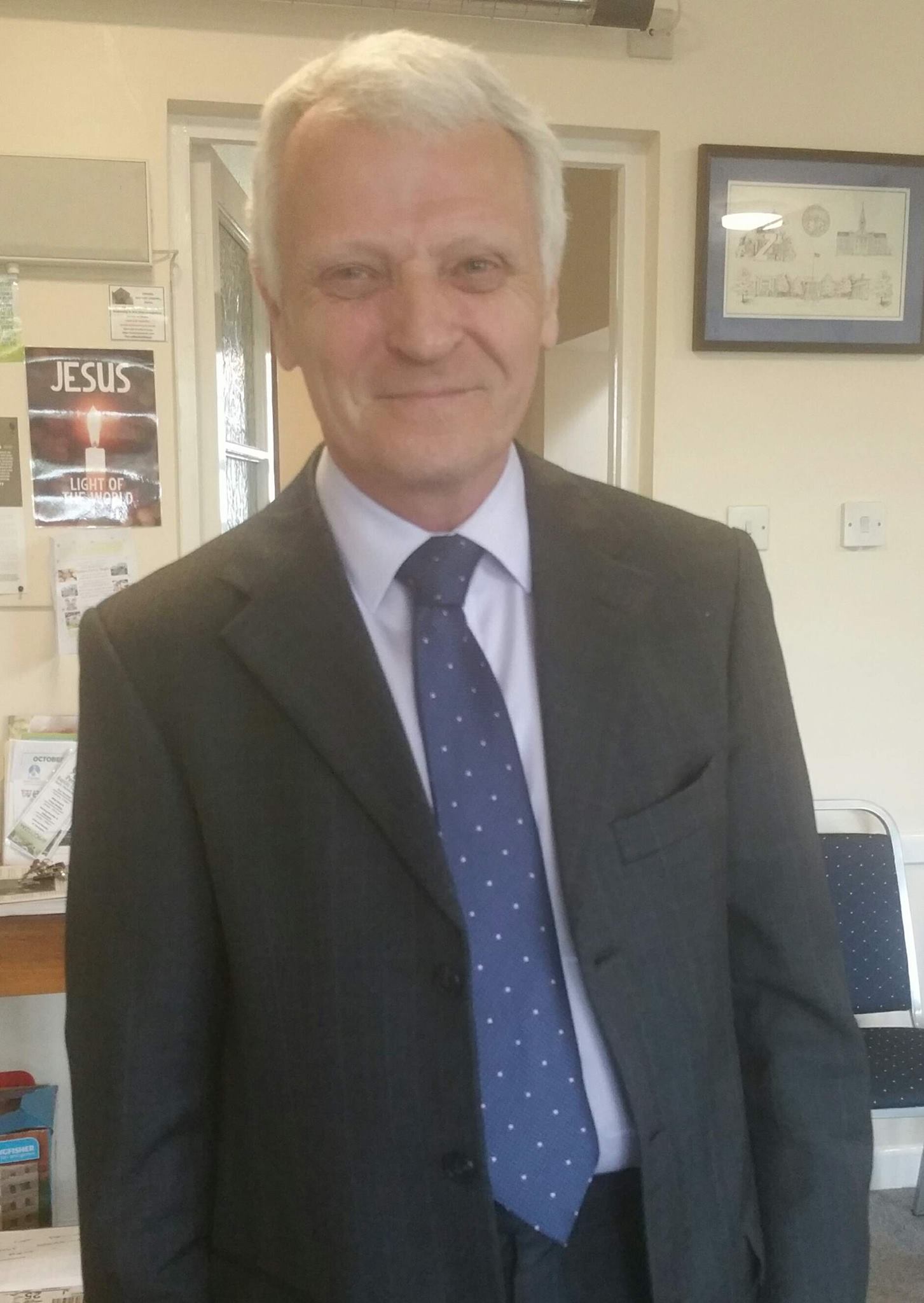
March 17th 2024: Graham John

To view this service, click on the link to our YouTube channel: https://youtu.be/m6QfyUJgrT4?si=ZyiHd4HXHhSYBFkr

Mark 14:1-11 Christian Devotion

I had a long-lasting friend in school who was nicknamed ‘the enthusiast.’ It was because an idea would grip him so powerfully that it would exclude all other things for a short while, until something else grabbed his attention. Once, when we were teenagers, he suggested making a lorry trip to India. If you gave a moment’s thought to it, and expressed grave doubts about its viability and success, he would put you down as a definite. If you said a firm no, he would put you down as a probable. He was a born optimist, a visionary, who was finally captivated by the Lord Jesus Christ.

Here, in the home of Simon the leper, was Mary, the sister of Martha and Lazarus, who was undoubtedly and enthusiastic for Christ. She was a disciple, a follower, a supporter, a fan. We have a flashback here to the Friday before Good Friday. We see her sacrificial love to the Lord Jesus Christ. In her devotion she gave sacrificially pure nard, which was one of the most expensive perfumes of the day, made from leaves of a plant only found in the foothills of the Himalayas. This display seemed very spontaneous but that couldn’t have been the case because of the cost of the perfume. The very cost meant she wouldn’t have had this to hand. It was the perfume of kings and queens. It probably had to be ordered for such an occasion. A lot of thought must have been behind this apparently impulsive act. It was carefully planned and considered. God loves a cheerful giver.

Marry poured out her heart in thanksgiving and gratitude to Christ. What form of devotion might you take? You have something far more precious than a year’s wage to give him. Paul encouraged Christians in the city of Corinth to increase the size of a gift they were given. Paul mentions examples of other Christian giving – the Christians in Macedonia. They gave themselves first to the Lord, then to others. God’s love is lavish, it is extravagant. Any giving of ourselves to Him will only be a pale reflection of His love for us in sending Christ to the cross. While we may suffer in some way, yet on the cross Jesus suffered for the sins of the world.

Mary’s act of considered devotion causes us to give ourselves to the Lord. The later you come to Christ, the more you regret you never came sooner. But it is never too late to come to Christ. In the planned giving of specific sacrifices, a Christian must actively and purposefully seek out ways in which to serve Christ. We need to follow Him as His disciple, even in moments when we don’t feel like it. Specific ways of sacrificing include my money, my energy, my thoughts, my mind. He longs for such sacrifices, yet He is not any the richer by receiving these things from us.

How can I practically give myself to Him, who is no longer on earth? His spiritual body is here – the Church. Give generously and show kindness. There are local needs in the local church, as well as the worldwide needs of the church. Mary’s example is an act of planned generosity and devotion to the Lord, who offers Himself as a sacrifice for all. His dedication works itself out in our lives. Do we ever take time in thinking how we may serve the Lord Jesus Christ? Do we plan and prepare to live out a life like this?

There is a deeper meaning of Mary’s gift; it was prophetic, She has done what she could; she has anointed my body beforehand for burial.” (v8). His cross had been prepared. His death was just a few days away. As He anticipate the form of His death and resurrection, Mary has done more in this act than she realises. Often God fulfils His purposes without people realising they are His instrument. They are unaware. Mary has done something she is unaware of – performing an anointing before His burial. Heaven and earth filled with a wonderful perfume. Jesus crucified for me is the power of the gospel – both its glory and attraction of the cross.

Christ encourages us in this example to see how He accepts our gifts and sacrifices. Jesus says she has done a beautiful thing. Praise from the King of Kings! Do you sometimes feel your sacrifices displeasing or overlooked by God? In the sacrifices of Cain and Abel, only one was offered by faith. By grace He accepts our gifts, even a cup of water offered in His name. It is possible for a believer to live a life that is pleasing to the Lord. He can look down with delight and pleasure, in the light of Calvary. Paul, in Romans 12, says, By the mercies of God, to present your bodies as a living sacrifice, holy and acceptable to God, which is your spiritual worship.” (v1b).

Notice how He defends us in the face of disapproval. We are told in a parallel passage in John chapter 12 that Judas points out the waste of the gift, but Jesus says Mary’s gift is timely. Judas, treasurer, champion of the poor. But Jesus says there will be many opportunities to help the poor. But there is something more pointed underneath these remarks. Cold, worldly hearts cannot understand this generosity. The zeal and faithfulness to the Lord Jesus Christ is often misunderstood by people of the world. They still mock Christ in His people. If a person devotes they’re time, they’re money, their heart to build up a business, the world considers them praiseworthy. Yet, they consider dedication to Christ as a waste.

Once a person sees the awful nature of their sin, together with the heights from which the Saviour came and the depths to which He descended for our sakes at the cross, their heart cries out, ‘What can I do to give back to Him? Call on the name of the Lord.

It is easier to be an admirer of Mary than a copier of Mary. Why was she so devoted? Possibly because she was a good listener. According to John’s gospel, the one who poured perfume over his head here had previously sat at His feet, listening to His words. She learned of God’s love in giving His only Son for this evil world. Have you heard his voice? If so, have you thoughtfully, purposefully, sacrificially given first yourself to Him, then your talents and your gifts, and the things that are special about you? Or do you sit on the sidelines with others and mutter, ‘Waste. Extravagant waste.’ May the Lord show us today the precious value of the Lord Jesus Christ.

October 8th 2017: Dave Evans

Dave Evans-Oct 17Mark 14:32-42

When going through a difficult time, some people may say they are experiencing their own ‘personal Gethsemane.’ The truth is, we are treading on holy ground – a unique experience. Only the Saviour ever experienced Gethsemane. Thousands shared the experience of crucifixion, the intense physical suffering. But what no film, no description can truly convey is the suffering our Saviour endured in those hours of darkness. There is nothing like it recorded in human history. We can learn something of the mystery of our Saviour’s experience through the Holy Spirit.

If we look at the setting, our Saviour is coming to the end of three years of ministry. Judas has left the upper room.The Saviour and the remaining disciples go across the Kidron Valley to the Garden of Gethsemane. Jesus then left most of the disciples at the gate whilst He, Peter, James and John entered the garden. We then have a sudden change, ‘He began to be troubled and distressed.’ (Mark 14:33). We are given a glimpse into our Saviour’s soul – the human Jesus expresses His deep concern to His disciples, ‘Then He said to them, “My soul is exceedingly sorrowful, even to death. Stay here and watch.”’ (Mark 14:34). On every side our Saviour is shut in by distress of soul. He has anguish of soul. The three disciples must have been amazed at what was happening after seeing His glory on the Mount of Transfiguration. Here, the Lord of Lords, the King of Kings, the Incarnate Son of God is now bowed down in deep distress. You almost feel things can’t be any more heart-rendering than they are. But then ‘He went a little farther, and fell on the ground, and prayed that if it were possible, the hour might pass from Him.’ (Mark 14:35). After only a few steps it seems He is crushed to the ground, pressed into the dust. This anguish lays hold of the whole being of Christ.

What is happening? Why is this experience laying hold of the Saviour? Turn to the Saviour’s prayer in verses 35-36, ‘And He said, “Abba, Father, all things are possible for You. Take this cup away from Me; nevertheless, not what I will, but what You will.”’ (Mark 14:36). Jesus prayed if it were possible the hour might pass from Him. It’s surely at this point we try to enter into the mystery of the hour. It’s clearly a reference to His death. Jesus always knew He was coming to die for His people. Now He prays to the Father asking for release. What is going on here? His depth of agony doesn’t leave any space for pretence. Does it show an element of weakness? Is He weakening when others have stood firm and given their lives for the gospel? No! He did not fail. As Judas and the authorities came He left willingly. The intense agony of Gethsemane can be explained as we consider verse 36. Jesus prays this prayer which had so much meaning for every Jew. ‘Take this cup away from Me.’ The picture of the cup can refer to joy, ‘I will take up the cup of salvation,’ (Psalm 116:13). But more often, it’s a symbol of judgement and of God’s wrath against sin (Isaiah 51:7, Jeremiah 25). Also in the New Testament, Revelation 14 speaks of the ‘cup of His indignation.’ Here lies, surely, the explanation for the Incarnate God lying crushed in the Garden. He begins to experience the sufferings He alone could endure on the cross. The two thieve endured the physical suffering. What we could not see on the cross we see here – how awful sin is. Our Saviour here looked at the sin which He was to bear on the cross for others, He saw it in its deformity. He sees the wrath of God. His holy soul recoils. That’s what the Saviour experienced here in Gethsemane. He began to experience the cup of wrath, the separation of fellowship with His Father. He begins to experience Hell that He will experience on the cross. He begins to see Hell as His companion as others desert Him. He begins to experience the full horror. So He prays, “Abba, Father, all things are possible for You. Take this cup away from Me; nevertheless, not what I will, but what You will.”’ (Mark 14:36). But He receives no answer. Heaven is silent. If He didn’t go to Calvary then the cup of wrath would have been drunk by all of mankind. The debt was so great only God could pay it. The life of this one man was so precious it was able to pay the debt. The cup must be drunk to its last drop. Jesus began to experience the eternal sufferings of His people if no-one had died in their place.

The wonder of the experience is having prayed that the cup might be taken away, He goes on to say, ‘Nevertheless, not what I will, but what You will.’ (Mark 14:36). Jesus came in to the full eternal agreement with the Father. Hebrews declares He learned obedience by the things He suffered. He proved His absolute obedience. Our Lord’s prayers were heard, even though heaven was silent. The Father heard in heaven His Son’s prayers. In three days’ time He answered Him gloriously and raised Him from the dead, triumphant. Now we can sing,

Up from the grave He arose;
With a mighty triumph o’er His foes;
He arose a victor from the dark domain,
And He lives forever, with His saints to reign.
He arose! He arose! Hallelujah! Christ arose!

The glory of the gospel is that faith in Christ brings us to a God of peace, a God of grace in this life and the glory to come. Christ delivers the way, ‘I am the way, the truth, and the life. No one comes to the Father except through me.’ (John 14:6). We have a great encouragement here, we have a Saviour who knows what it is to go through life’s darkest experiences. Death is conquered and is but a step to glory. Come in repentance, seek Him. You have a Saviour who has died for you.