July 7th 2024: Andy Christofides

To view this service, please click on the link to our YouTube channel: https://youtu.be/5yvYLXH4oX0?si=A-Za9qI0ZNFIr–O

Romans 1:1-17: Personal Evangelism
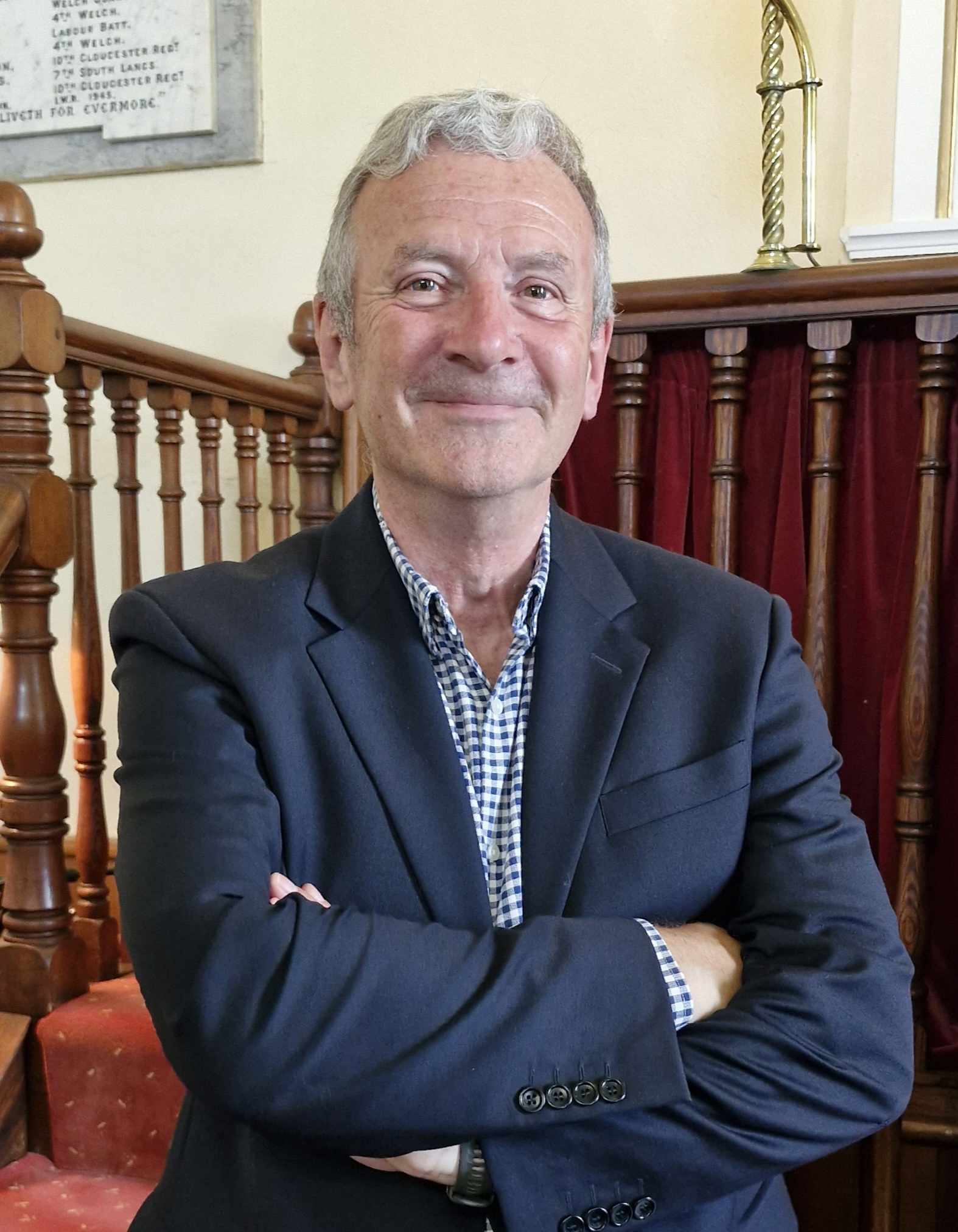
Personal evangelism – making Christ known, the good news, the gospel. Paul uses the word ‘gospel’ 4 times in this passage. It is burning on his heart. The physical light he experienced gave spiritual light. ‘Euangelion’ is the Greek word which means ‘good message.’ Is there a better message than this! There is only one thing the world needs to hear – the gospel. Every word is inspired, but the gospel is the distilled essence; it’s not church government, loads of worship, what you wear – it is all about Jesus Christ and how you can be saved. Tell me, what do you believe?

Paul can write to the church at Corinth, “For I delivered to you as of first importance what I also received: that Christ died for our sins in accordance with the Scriptures.” (1 Corinthians 15:3). What is of the first importance to the church, to us as Christians?

Isaiah chapter 53 is the glorious technical height of the Old Testament. There are many things we think and believe, but what does an unbeliever need to know? Christ died for our sins, was buried and raised on the third day according to the scriptures. Jesus died for me. We need to confess and profess.

Who is Christ? Why is his death important to me? Maybe you have an unbelieving friend or relative on their deathbed. What are you going to say? John 3:16, John 14:6? Open up the Bible and explain.

Evangelism is making the good message known, For I am not ashamed of the gospel, for it is the power of God for salvation to everyone who believes, to the Jew first and also to the Greek.” (Romans 1:16). ‘Dunamis’ is the Greek word for power. Nobel calls it dynamite. It is spiritual dynamite. Dynamite by itself is quite harmless. It needs something to set it off. The gospel is just words – apart from God. The gospel is detonated by the power of the Holy Spirit. It is the dynamite of God. It is not my dynamite. Tell it as it is.

Whose task is it to evangelise Pembrokeshire? People tend to think it is the church’s job. It is not; It is your job and my job. It is the task of each and every one of us. People say there are not many conversions and that it is the pastor’s fault. It is not. It is your fault, it is my fault. We have the dynamite. What are we doing with it? Are we laying the dynamite? It is no good praying for people if you are not speaking to people. Your job is to be a dynamite layer. You need to say something! We need to be faithful, but the consequences are left to God. We need to be obedient, to trust and obey, to lay the dynamite.

You may get to the position where you employ a church evangelist or a church worker, then sit back and say, ‘We don’t need to do that because we are employing a worker.’ Nonsense! It’s your job. It’s my job. If people aren’t being saved, why? You may take yourself off to another church. Why would you do that? Stay and declare and show gospel and the love of the Lord Jesus Christ.

People may say, ‘My children are not being saved in this church.’ It is not the youth leader’s job to save your children, it’s not the Sunday School teacher’s task. It’s your task to evangelise your children, first and foremost. I hope you can then trust them to Sunday School teachers, but that should supplement what is happening in the home.

When Paul write to the church in Ephesus he speaks about the gifts that Christ has poured out, And he gave the apostles, the prophets, the evangelists, the shepherds and teachers.” (Ephesians 4:11), to equip the Saints for works of ministry. A pastor’s task is to feed the sheep so that they may be equipped to pastor and minister to others.

 The evangelist’s task is to equip the saints to be evangelists. Roger Carswell asks, ‘What must I do to be asked the question, ‘What must I do to be saved?’ We are all involved in this mighty work of making the gospel known. We have a task. It is limited in its time; it is only when we are here on earth.

What is the primary function of a local church? Some say we are here to worship God. Worship will not stop when you die, it will be perfected. There is no evangelism in heaven or in hell. Evangelism is our here and now go to point. We are called to make disciples of all nations. Evangelism is the keystone of the church. It only happens here on earth, not when we are dead.

But you will receive power when the Holy Spirit has come upon you, and you will be my witnesses in Jerusalem and in all Judea and Samaria, and to the end of the earth.” (Acts 1:8). The people were called to be witness in Jerusalem – where they were. Begin where you are – but don’t finish there. God’s plan was always for the nations (Acts 8). Because of what happens in Acts 7, the gospel eventually reaches Roch, Now those who were scattered went about preaching the word.” (Acts 8:4).

Wherever the scattered believers went, they preached the Word. They were ordinary believers, like you and me, sharing and announcing the good news.

Personal evangelism is your task and mine. How do we go about it? It drives us to our knees. We are here to worship but our primary function is to be a witness to Him. Our task is to share this message with others. We are to live the life that backs up the gospel. Don’t be grumpy Christians. Why are we where we are? To be a witness, to live for him. Why am I here?

Jesus, the Name high over all,
in hell or earth or sky;
angels and mortals prostrate fall,
and devils fear and fly.
Jesus, the Name to sinners dear,
the Name to sinners giv’n;
it scatters all their guilty fear,
it turns their hell to heav’n.

Charles Wesley

You may say you can’t be a Wesley or a Billy Graham, but you and I can be an Albert MacMaken. On 1st November 1934, Albert MacMaken invited his 16-year-old friend to an evangelistic tent crusade led by Mordecai Ham. After a few nights on that evangelistic campaign, Billy Graham was converted – because he had been invited by Albert MacMaken, under the preaching of Mordecai Ham. I may not be a Billy Graham but I can be an Albert MacMaken.

Let me take you back a little but further. Edward Kimbell was a Sunday School teacher. In his Sunday School class was a young lad who showed no interest in the gospel, but Edward Kimbell prayed for this young man. He left the Sunday Scholl class unconverted and got a job in a shoe shop. Edward Kimbell still prayed for him and bought his shoes in that shoe shop and continued to witness and speak to DL Moody. DL Moody was converted.

Under DL Moody’s preaching in one crusade, there was a man you probably haven’t heard of – but he was a famous evangelist called Wilber Chapman. Wilber Chapman was converted under the preaching of DL Moody.

In a campaign led by Wilber Chapman, Mordecai Ham was converted. In a crusade led by Mordecai Ham, Billy Graham was converted.

As I preach in many churches, I ask was anybody here converted under Billy Graham. I wouldn’t be surprised if there was someone here this morning, or if someone here this morning knows of someone converted under Billy Graham. The story of Billy Graham goes all the way back to a faithful Sunday School teacher, Edward Kimbell, who continued to pray for DL Moody, even though he showed no real interest.

We can’t all be a Billy Graham, DL Moody or John Wesley, but we can be an Albert MacMaken.

Personal evangelism is something we’re all called to.

January 8th 2023: John Funnell

To watch the morning service, please click on the link to our YouTube channel: https://youtu.be/QcBDGAezUBE

Text reading: Psalm 51

Text focus: Matthew 6:12: “And forgive us our debts, as we forgive our debtors.”

            The topic for today’s messages is “forgiveness.” This morning we shall look at the first part of Matthew 6:12 “And forgive us our debts …” and this afternoon the second part, “… as we forgive our debtors”.

“And forgive us our debts …”

            The context of this statement is the model prayer the Lord gave to His disciples. In many ways this verse is the fulcrum or pivot of the whole. The root of all of humanity’s problems and difficulties is the need for forgiveness. But forgiveness from what? The Greek word translated as “debts” is a legal term meaning “to what is justly owed.” In Luke 11:4 where the model prayer is given again the word used there is “sins” (“and forgive us our sins”). This word is rightly translated in Luke as “sins” as it means “departing from doing what is right.”

            Now we have in the model prayer a daily request for forgiveness. Why? Why request this daily? Why is sin seen as a debt to the Creator of all things?

            The answer to these questions is that it is God the Creator who gave us life. Here are just a selection of Scriptures which affirm God’s right to ownership of our lives:

The Spirit of God has made me, and the breath of the Almighty gives me life. (Job 33:4).

For You formed my inward parts; You covered me in my mother’s womb.  (Psalm 139:13).

The thief does not come except to steal, and to kill, and to destroy. I have come that they may have life, and that they may have it more abundantly. (John 10:10).

God gave us our life. So, every breath we take, every step we make, is all because of God who made us. We owe Him everything. Without Him we have no life.

            Pause a moment. Take a deep breath in and then out. God gave that breath to you – all our breaths are God-given.

            Now God gave us life so that we might delight in Him and glorify Him. But instead, we waste life doing what we want rather than what God (who is utterly good) desires. This departure from what God desires from us is called “sin” and this sin creates a debt. We use our breaths (given of God) for self to do as we please, whereas God actually gave us these breaths to glorify Him.

            I wonder if you have ever borrowed money or maybe you have lent money to someone? What happens if the debt owed cannot be paid? If such occurs, then various things result. There is estrangement. The debtor avoids the lender because they cannot pay. When the lender comes around for the money to be repaid the debtor hides or doesn’t answer the door. There is also the terrible feeling of guilt. The debtor is always in debt to the one who lent the money, and this imbalance doesn’t go away. The debtor feels guilt at not being able to repay the debt owed. Debt also causes shame. A person in debt is considered to be of lower value generally in society. The wealthy are situated in the top ranks whilst those in debt are considered of lower value. Finally, debt causes anxiety. It is something that always hangs over the person. They are never free from the problem, and it leads to worry about how they can continue on and get clear of the debt. Estrangement, guilt, shame, and anxiety are some of the fruits of being in debt when you cannot repay what is owed. Debt is a terrible thing for relationships. If you owe a friend money you cannot repay you will likely feel these effects in your relationship to that friend. Debt causes fear, loneliness, separation, guilt, shame and so on.

            But the same is true with regard to God. However, in the case of God, the problems and breakdown is that much greater, for God is prefect and true. We are not in debt to God concerning money or Mammon, but in respect to life. The life we have is given of God for a purpose – a good purpose. We have taken that life and squandered it on baseless, worthless things. As we do so we run up more and more debts in connection with the Lord.

 For the wages of sin is death, but the gift of God is eternal life in Christ Jesus our Lord. (Romans 6:23).

Breaking terms with God is breaking terms with the life-giver. This leads to death and ultimately to eternal damnation. God is a God of order and justice, and this problem of our debt is a legal one. We are legally bound and are now owing God what is justly owed. All who sin are breaking the law and become lawless (1 John 3:4). All sin is lawlessness. The use of legal language in the model prayer is given because sin is utterly serious. It is not a matter which can easily be discarded. When we break the law, just reparation and repayment must be made.        

            Sin, our ongoing sin, is the cause of our debt, our increasing debt, to God the life-giver. We cannot give back the life He has given because we do not have the ability to create life. Life can only come from God, the source of life. When He gives life it is a very precious thing and to waste it in sin and all that opposes God is a serious matter. What will happen now? We have squandered life given of God and we cannot ever repay this debt incurred because we do not have the ability to create the life we have wasted. Sin creates: loneliness, guilt, shame, estrangement.

            Now notice also that this is very personal. It is “our” sin. It is “my” sin. It is not just sin in general, but the wasted life moments I have squandered. Now God is just and wholly so. The debt we have built up creates a terrifying situation for us. The Lord God who gave us life holds us totally accountable for this debt that we have incurred personally. All of us are in this predicament. Each of us has wasted the life-breaths we have been given for folly and rebellion, and now the Lord looks on and asks: what have you done with the life and the life-breaths I gave you? Now many will reply at this point: is not the Lord gracious and merciful? Will He not simply let these things go and make no mention of it all? Well, we must understand that God is just and holy. The reason He takes our sin so seriously is because He takes us (His created image-bearers) seriously. Dr. Paul Blackham put it like this:

“He does not hold us to account because He is a tyrant. He holds us to account because He loves us.”

Here is the good news. God values us so highly. He values us so much that He is jealous when we turn from Him and commit sin. Imagine a good father with his children. When they disobey and cause mayhem the father does not stop loving them but disciplines them and brings them to see the error of their ruinous ways. God values us so highly and He will not let us go. He is so serious about us and about our debt that we have incurred that He will do anything necessary to redeem us. He is so serious about dealing with our debt and our due, and so serious about getting us back on track, that He gave us His only begotten Son.

            If you doubt that God is serious about you and your debts He replies: “I am Jesus-serious!” He says unequivocally: “I sent My Son, My Precious Only-Begotten Son for you!” He came into that which He had made (in the incarnation). He became history to pay off all the debt you owed. Your sin was so expensive – seriously, astronomically expensive – that it cost the Son of God His life. Christ fulfilled our potential for He was perfect and sinless. And on the cross He died the just death that we deserved. On Calvary all sin was paid in full.

            If we now have faith in Him and trust Him truly then we are moved from the red to the black! He has done everything legally required to clear all of the debts. There is no limit to what God will do to free you from guilt, isolation, anxiety, fear and estrangement that such debts caused. God the Father loves you, but He hates the sin. He loved you so much that He sent His Only Son to pay the debt you owed by dying in your place, and He lived a perfect life which you ought to have given in return for the life-breath He gave you.

            Why did He do this? It is so you no longer have to hide from God and you don’t have to avoid Him anymore. You do not need to worry about how to make amends. You do not need to be ashamed, nor to feel guilty at all anymore. All that the Saviour did in His life and in His death met the requirements each of us should have given to God our Creator. If you truly trust in Him, you have been washed clean, and the slate of debts has been scrubbed and wiped clean. There is no need to be anxious, nor fearful anymore, for all sins have been dealt with in Christ. And so, we can readily come to Christ for all has been forgiven. Not simply swept away under a carpet, but dealt with fully and legally. There is now no debt left for it has all been paid in full.

            The word “forgive” in Matthew 6:12 is from a Greek word which can also mean “to let go,” “to be released,” or “to be sent away.” It has the idea of freedom and it can also mean “to cover.”

Therefore if the Son makes you free, you shall be free indeed. (John 8:36).

Stand fast therefore in the liberty by which Christ has made us free, and do not be entangled again with a yoke of bondage. (Galatians 5:1).

And you know that He was manifested to take away our sins, and in Him there is no sin. (1John 3:5).

And above all things have fervent love for one another, for “love will cover a multitude of sins.” (1Peter 4:8).

having wiped out the handwriting of requirements that was against us, which was contrary to us. And He has taken it out of the way, having nailed it to the cross. (Colossians 2:14).

The Lord has covered, He has washed, He has sent away our sin and released us from it so we can live in free fellowship with Him. Christ paid for it all!

            The Lord wants you to believe the truth that all sin has been wiped out, annulled, dealt with, paid for, and removed, and He wants you to trust this daily. Remember that He asks us to pray this prayer daily. Not simply because we sin every day, but He asks us to pray this daily so that we do not forget that our sins are utterly forgiven. We can thence rest in blessed, loving, full, communion with Him who has freely forgiven us all our sins.

            We can only pray this prayer because of what Christ has done in His life and on Calvary in His death. As a result of Christ’s work we have full and free forgiveness. Now forgiveness comes to us only by us truly knowing Christ. Do we know Him? It is not enough to just believe intellectually – the devil does that, but it does him no good. Do you know Him? Are you in right relationship with Him so that you know that your sins are all dealt with completely?

“… as we forgive our debtors.”

            Sin causes damage to relationships, but God has forgiven us freely. In Matthew 18:21-35 we read the parable of the unforgiving servant. Peter asks the Lord: how often should we forgive someone a debt? Up to seven times? The Lord replies by increasing what Peter thought was a perfect number (7) and multiplies it to 70 x 7, which effectively indicates an infinite number – the complete (7) completion (7) multiplied by all-encompassing (10). Now if we truly recognised the scale of forgiveness by God for our own sins, we must conclude that we have no right to bear a grudge against others. If God has forgiven me all of this, how can I not forgive others when they sleight me or sin against me? In the parable, the amount of debts for each one are meant to show us the incredibly large debt owed to God, compared to the much smaller debts we incur one to another. We might say that the unforgiving servant was forgiven a debt of £1000,000, whilst the debt he was owed was just £10. How we need to recognise the incredible and awesome release of debts we have been given of God! And how insignificant are the debts we are owed one to another. One person likened the difference between the debt we owed God and the debts we owed one another to the height of the cathedral roof in comparison to the minor undulations of the floor surface. The vast distance between the ground and the roof in a cathedral speaks of the immense debt we owe to God, whilst the little bumps and indentations in the floor are the depth or height of the debts we owe one to another.

            Now it is essential we recognise our complete forgiveness in Christ for all sin we have committed, past, present and future. We are now utterly secure with God. We have peace with Him. And so, because God has forgiven us so much, we ought also to forgive one another. If we cannot forgive others, then it is doubtful that we appreciate that we have been forgiven by the Lord. Now in Matthew 6:14 we learn that the forgiven one is a forgiving person. The same is true with regard to mercy. The one who has received mercy is himself merciful. The model prayer of Matthew 6 is a beautifully crafted prayer, but there is a significant amount of space given in this to the topic of forgiveness.

            Stephen, the first martyr, prayed for his murderers as they stoned him, asking for their forgiveness. Now forgiveness is not something we understand as something we earn. Because we are forgiven, we can therefore freely forgive others. If we do not freely forgive others, then there is an issue concerning our salvation. Psalm 137:9 might be considered a very unusual text to turn to. It does not appear to be a very Christian sentiment. However, it is important to note that the Psalmist is not taking such an action himself and he is not telling anyone else to do it either. What he is doing is speaking honestly. He knows that the Lord will bring about justice, and when justice is done it will be good. We have clear commands in the New Testament about forgiving one another.

12 Therefore, as the elect of God, holy and beloved, put on tender mercies, kindness, humility, meekness, long-suffering; 13 bearing with one another, and forgiving one another, if anyone has a complaint against another; even as Christ forgave you, so you also must do.  (Colossians 3:12,13).

And be kind to one another, tender-hearted, forgiving one another, even as God in Christ forgave you. (Ephesians 4:32).

Let us bask in the forgiveness of God in Christ and let us freely forgive one another!