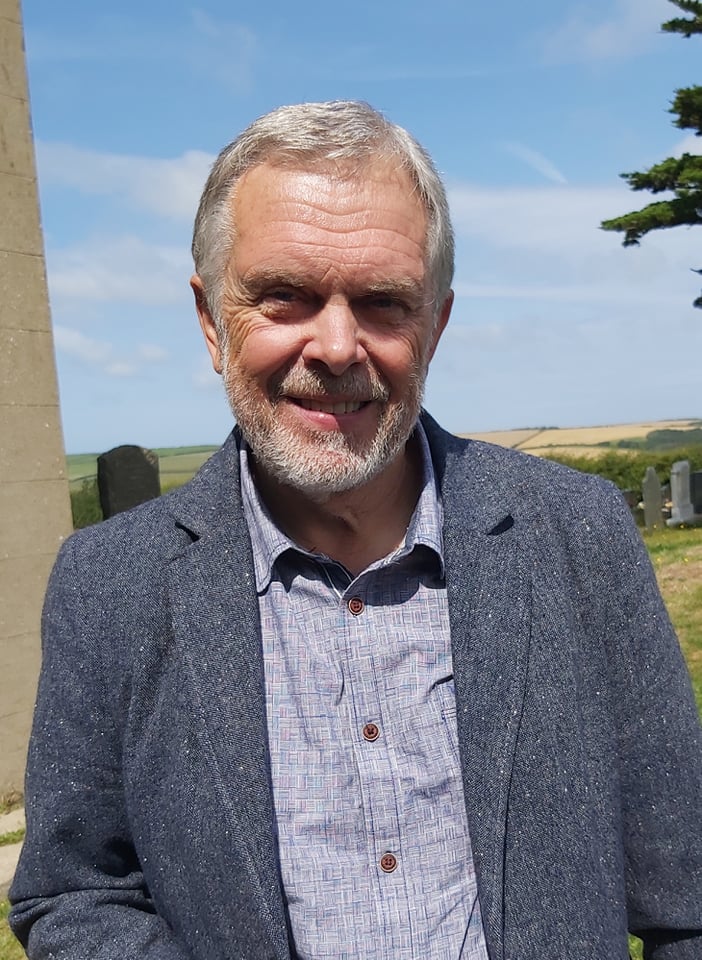
August 29th 2021: Phil Swann

Psalm 121

This is a ‘Song of Ascents,’ one of a group of psalms (psalms 120-134), clustered together. They are short and often extremely heart-warming. Some people say that these are an ascending series of ideas about God, which is an interesting theory. Others have suggested that the songs were written for pilgrims travelling to Jerusalem. Another idea is these psalms were part of temple worship in Jerusalem; a verse would be sung on one step, then they would go up a few more steps and sing another verse and stop, and so on. The truth is, we don’t know. What we do know is there’s truth to enable us to understand who God is, who we are and, most importantly, how we may know Him, and as a result of knowing Him, how we may live.

Psalm 121 is the most well-known psalm of ascent, often used in times of crisis. The word ‘help’ is used throughout. ‘Help’ is a word that needs no explanation; we all know what it means to ask for help. The Psalmist lifts his eyes to the hills as he thinks about the need for help in his life. There is interesting discussion as to what this means. Is it just a poetical phrase that I’m in a situation which is so overwhelming, my human resources have been so exhausted, and I’m looking to bigger things and higher places? Others have suggested that David’s thoughts are turning to Jerusalem. Mountains and Jerusalem often go together. What we certainly know is that David is not in a good place.

Where does my help come from? Maybe you have experienced times when you have asked a similar question. How am I going to get through this? Maybe there are times when you have felt overwhelmed and devastated by what is going on around us in life? This is no lightweight psalm. It is going to the heart of human experience. It is for those times when we are in need and genuinely out of our depth, during deeply unsettling times, having a devastating, horrible experience.

Even asking for help is a humbling experience. To ask for help is to acknowledge our need. There are experiences in life when God, in His providence, allows us to feel completely and totally out of our depth. They are painful experiences. David speaks words of deep testing and pain. Where does my help come from? They are words of desperation. God, in His providence and in His goodness, may allow us to experience such devastation so that we may see who He is more clearly, and experience His help and grace more deeply.

During the Pandemic, where, in the middle of it all, do you turn for help? Incidents of alcohol, smoking and Netflix subscriptions have increased during this time. It seems that these are often the ways of coping as we try to find ways of coping. Let me be bold this morning and ask you personally, ‘Where do you go to for help when you are overwhelmed?’

Wonderfully, this psalm invites us to turn to God for help. In verse 2 David’s testimony in the midst of his distress is that, “My help comes from the Lord, the Maker of heaven and earth.” (Psalm 121:2). This is a wonderful statement. It is always the experience of the Christian, in that whatever difficulty they face, they are always able to turn and seek the help of their heavenly Father. Help is promised here to the Christian, and crucially it is help from the Lord. We care for one another, but here David speaks of specific help coming from the Lord.

This Psalm encourages us to explore who the Lord is. Many of the psalms do this. The very first psalm, which in a way is a template of how we should read the psalms, tells us “But whose delight is in the law of the Lord, and who meditates on his law day and night.” (Psalm 1:2) For David, the phrase ‘The Lord,’ acts as a trigger to think and remember who the Lord is. Here, (Psalm 121:2) the Lord is described as the maker of heaven and earth. This is a recurring theme in many of these psalms of ascendance e.g., Psalm 124 and Psalm 134.

Interestingly, David could have written many things about the Lord, but why home in on this? He wants us to remember our helper is not weak, neither is His help something that we should doubt. We should have confidence in Him that He can help us. He is never threatened by the things that threaten us. He is the maker of heaven and earth. This speaks of His authority and power. The one whom we are invited to trust in is almighty.

If you are not a Christian, how do you discover who God is? When you look at scripture you are pointed to the Lord Jesus Christ. Jesus is both man and God. We see so much in Jesus. He is the one who has all wisdom – what a comfort that is when we are in need. We see in Jesus Christ one who has all compassion and mercy towards us as sinners. It is in Christ we see the reality of the love of God enduring forever as He is patient with us, even in our rebellion. His truth, love and power are seen ultimately in the greatest thing He did for us as sinners, in His death upon the cross and by His resurrection from the dead. We must stress His resurrection. For it is in that wonderful news that he was raised on the morning of the third day, that our confidence to seek help from God is made most clear.

This psalm points us to specific help. What is the help the Lord offers David and which David rejoices in and sings about in this psalm? There’s a word which dominated this psalm, ‘Watch.’ It is found in verses 3,4,5,7 and 8. The Lord continually watches over His people. This may seem a little intimidating; He knows everything about us. But the direction in which this psalm is going is one who is our carer and protector. Here, the news in this psalm is that God sees our lives, our distresses, and concerns, and He is watching over us, committing to us. He is Immanuel, God with us. He has come to us as one of us. He understands. Your life, with your troubles and distresses, as a child of God, matters to God.

If we try to limit God’s interest in us to the times when we mess up, we fail to do justice and we fail to be honest to the wonderful picture that scripture presents us of our Father in heaven (Luke 12, Psalm 17). God loves us and cares for us. This is not because we are special or better than others, it is because the Lord is good. He delights in us. He cares for us. He will not allow your life, as a Christian, to fall into absolute chaos. He is totally committed to you. He is the God who sees us, who will never neglect His care towards us. His commitment to you is total and enthusiastic. We may seek to support one another, but there are times when we fail and get tired. God never slumbers or sleeps. It doesn’t matter what time of day it is, where you are, the Lord is always with you. He will keep you. The things in life we think can harm us most, illustrated here by the sun and the moon, cannot. The Lord sets a limit to which disaster touches our lives. Central to that limit is the news that we will not be overwhelmed.

This psalm, which brings rich encouragement and comfort to Christians over many generations, over many centuries, is offered to us today for our comfort and encouragement. It is a wonderful thing to be a Christian, to know that the maker of heaven and earth is the one from whom our help ultimately comes. It is wonderful to know that He is always with us, He will never forget us and He will watch over our coming and our going, both now and evermore.

A Christian always has somewhere to turn. There is always an ear that is open. There is always a heart that is inclined towards them. There is always help. It’s a wonderful thing to be a Christian, to be found today in Jesus Christ, with access to the help of the maker of heaven and earth.

Are you a Christian? Is this help really your help? This is the help of the Christian. It is the comfort of the Christian. But are you a Christian today? You may be very little, very young, a lot older and a lot bigger, but it makes no difference. The invitation goes out repeatedly from scripture to us all. It is for us to come and put our faith and trust in Jesus Christ, to become a disciple of Christ, a follower of Christ, and in coming to Him, to receive grace and mercy and love from God. Understand, that the one who sees your life, in all of its chaos, in all of its hypocrisy, in all of its needs and its fears and confusion, is the same one who invites you today to forgiveness, to life, to joy and to freedom in Jesus.

Where does your help come from in this uncertain and dangerous world? Do you feel yourself to be overwhelmed by life? Well, there is a God in heaven who is, indeed, the maker of heaven and earth, who cares profoundly and deeply for each one of us. In His Son, Jesus Christ, by His death and resurrection, offers us new life. He invites you and He invites me to come to Him today and to receive His help.

August 22nd 2021: Peter Gleave

Luke 9:10-17 ‘You Give them something to eat.’

This miracle is so important, so important that it is the only miracle recorded in all four gospels. Therefore, you and I really need to take note what Jesus wants us to learn from it. The disciples arrived back from their mission trip and come to Jesus to tell Him all about what they have been doing. It seems to have gone well. They preached the gospel, they healed the sick and they cast out demons. They’ve done the very thing that Jesus wanted them to do. Even Herod, the King, was stirred into wondering who this Jesus was.

When you and I go on mission, there’s a mission taking place this week here in this church, we are used by the Lord. Very often we’re on the mountaintop. We are really excited about what God has been doing and allowing us to be a part of. The disciples came back and reported to Jesus, very excited.

 Such times are often followed by tiredness. Many pastors taken Monday off because, having preached on Sunday, they get excited in the pulpit. After, they get tired physically, emotionally and spiritually and take Mondays off to rest. Jesus knew this and says, ‘We’re going to rest and recuperate. We’re going to get into a boat and we’re going to go to across the lake, to the north-eastern corner and we’re going to have a time of rest at Bethsaida. There’s a nice, quiet spot and we’ll have some time together.’

It is part of our mission, as we go out and do what Jesus wants us to do – sharing the gospel and meeting the needs of the people – there are times when you and I need to rest, relax and recuperate. As part of that resting, it is absolutely vital that we spend time with Jesus alone, that we spend time talking to Him in prayer, that we spend time reading His Word and allowing Him to speak to us. The psalmist reminds us, ‘Be still and know that I am God.’ There are times when we need to be off mission and we need to be resting, relaxing and recuperating in God’s presence, prayer and studying His Word. To give out, it is necessary to take in.

Sadly, we can get stuck in either one of two extremes: some don’t rest from mission and they risk burning out, some do nothing but rest from mission and risk missing out. Neither extreme is right, neither extreme is good for us. We need to get the balance right and ask ourselves, ‘Have I got the balance right between mission, and resting and recuperating, spending time with Jesus?’

Jesus and His disciples landed. They got to the shore and pulled up. The disciples were getting out of the boat and already there was a crowd of people there. The crowd had heard about Jesus. They were running from village to village around the northern part of the Sea of Galilee. By the time Jesus and the disciples got there, there was a huge crowd waiting for Jesus, wanting to know more about what He was talking about. They got people who were ill and wanted Him to heal them. They had heard all about what he had been doing, they wanted to know more about Him. The disciples too had been out, and no doubt the word had spread even further. People were, no doubt, excited about what the disciples had said and so they wanted to know more about this Jesus.

I wonder, what would you do with such a great opportunity? You’ve gone off to rest and relax and suddenly there’s a great crowd there. What would you do? Would you perhaps send them away? Would you, maybe, wait for another day?

In verse 11 we find that Jesus welcomed them. He spoke the gospel to them. He told them how He could make a difference in their life. He also healed those who needed healing. Jesus did exactly what he had sent His disciples out to do: twofold ministry – to share the gospel and to meet people’s needs.

We are called to do exactly the same. Imagine, if you sat in your garden, resting and relaxing, and 890 people came to you needing to hear about Jesus. They bring with them all their physical problems, their cancers, their difficulties, their debt, their incurable diseases, their depression, their anxieties, their addictions, their guilt of past sins.

If you live in Roch, that’s pretty much the reality of the situation you’re in. Because, on your doorstep there are 890 people in Roch in need of hearing about Jesus. I’m pretty sure that every one of those 890 people will, at some time, have a physical need that they need help with. Do you send them away or do what Jesus did and meet their needs?

Over the last eighteen months, Covid has caused a lot of people to ask questions about what life is all about. Many are affected by it physically and spiritually. People don’t want the isolation anymore. Young people are depressed because they can’t go out and live life as they want to. Families are suffering economically because the loss of work and furlough and all sorts of different things. Of course, 2,000 years ago there was no NHS on the shores of Galilee. There were great physical needs in that crowd, alongside the spiritual needs that they come to Jesus with. I want to suggest to you that very often, if we can meet the physical need of somebody, we get the opportunity to share the gospel and meet their spiritual needs as well.

So, do you continue to sit chilling in the garden, or do you prepare to do something about the 890 people on your doorstep? How do we get the balance right between not resting from mission and risking burnout, and doing nothing but rest from mission and risking missing out? Ask yourselves, when was the last time you met the physical needs of someone in Roch? When was the last time you shared the gospel with someone in Roch? If it’s been a while, maybe you’re at one extreme, spending too much time resting and relaxing. When was the last time you went along and spent time with Jesus alone? When was the last time you purposely spent time with Him reading the scriptures and talking with Him? If it’s such a while since that happened, then maybe you’re doing too much of mission and not spending enough time with Jesus.

I know we have all got family responsibilities, we’ve got work, we’ve got leisure time to include, but Jesus sent out these disciples with a great urgency. There is an important imperative for you and I to include these things in our daily lives. Jesus has commissioned us to go out urgently with the gospel, to meet people’s needs and to share the truth about Him. It has got to take priority in our daily lives.

I’m going to suggest to you the answer to the balance problem is that every day we should be spending time with Jesus alone, and every day we should be spending time meeting the needs of people in our villages and in our homes and around us, sharing the gospel with them and meeting their physical needs. If we do that, we’re probably going to get the balance right.

Jesus ministered for a while out there. The people came with all their diseases, and it was there He met their needs. In the late afternoon the disciples wanted to send the crowd away; they were in a remote place with no food. At first, it might seem reasonable. But did they really think Jesus didn’t already know they were in a remote place, or not know the people’s needs? Did they not realise that Jesus knew the vast crowd was likely to get hungry? Had they forgotten that it was Jesus who had given them authority and the power to go out in the first place, to share the gospel and to heal people? If they thought this through, they must have realised that Jesus, the Son of God, who they had witnessed do other miracles, would in fact, be able to meet the needs of this great crowd.

Maybe you think in a similar way of the 890 people on your doorstep? Maybe your response is similar to the disciples? Maybe it’s a practical, thoughtful response – we can’t meet the needs of 890 people when we have only got a few members? We’ll pray that the Lord sends along some more workers and then we’ll go and do it? Or maybe you’re tired and weary and think, ‘Well, they’ll still be there next week, or next year.’

Whatever the disciple thought, they probably weren’t expecting the reply that Jesus gave them. This is what He said, “You give them something to eat.” In the Bible, the Greek emphasis is on the word ‘You.’ Having this practical mindset, the disciples started to respond to Jesus’ command. They found a boy with five loaves and two fish and told Jesus. They said, ‘We could go and buy some food.’ Philip calculated that if they were going to go and buy food, it would have taken eight months wages, and all they would have got was a bite, which was hardly worth having.

They had completely forgotten the mission they had been on and reported back to Jesus earlier that day. Let’s not be too hard on them. The disciples had had seen Jesus heal individual people but never witnessed a miracle they were about to see. Let’s not forget how like them we are. Sometimes we forget the blessings we’ve experienced and where they come from. We forget that God has blessed us in the past in our churches. We forget that 199 years ago this church was planted in a village where there was no church. After nearly two hundred years, the work has been ongoing.

We forget God has been meeting our needs week in, week out, throughout our lives, both as individuals and as a church. Consequently, we turn to ourselves for answers. Friends, Jesus knows the scale of the problems. He knows the issues that you’re facing. He knows all the issues for you personally and you as a church. Jesus has the power and authority to give you what you need to feed 890 people in Roch. You, yes you, give them something to eat. When we don’t look to Jesus and start to look inwardly, we become inadequate and ineffective. We need to remind ourselves that when we work in Jesus’ authority, miracles can happen. God’s kingdom can be built here in Roch.

This miracle has its roots in the Old Testament – when God rescued His people from Egypt, out of captivity, and took them to the wilderness. There, where there was no food and no water, He fed them daily for a long time. Never once did He let them down.

God’s chosen people had their needs met every day. Now Jesus was going to do exactly the same for this for 5000+. He was also going to meet the two-fold need of the disciples: spiritually, He was going to remind the disciples of who He was and physically He was going to feed the twelve of them too, as well as all the thousands of people who were there. God is a God of provision. On this day, at a remote place, Jesus was going to identify Himself as God. He was going to remind those of a Jewish ancestry to look back and see how God had provided for His people in the desert and how He, too, today, was going to do the same thing. Jesus was going to remind them that He is one with God. He was going to provide their daily food, right there, right then.

What God has done before, God can do again. What God has done before in Roch, He can do again. What God has done before in your life, in your church, God can do again. It doesn’t rely on you, it relies on your willingness to give what you have. You may feel as if you’ve only five loaves and two fish, and nothing else to give. But what Jesus wants is for you to give your all. He wants you to give yourself. He wants you to commit your time, your talent and your treasure to Him. He wants you to give all to Him.

The Lord wants you to give what you have, to yield what you have. We may feel that we don’t have the resources to meet 890 people’s needs. The truth is, we don’t. But God does. He simply wants you to surrender all you have to Him, which, of course, He gave you in the first place. Your time, your talent, your treasure is only what God gave you in the first place, and He wants to take it and to use it.

When the disciples had surrendered to Jesus all that they have, in the Master’s hands it became something much more. Picture the scene: He organised the people into groups of 50, sitting on fertile land. In front of all, He takes what was there, five loaves and two fish, and looks up to heaven, give thanks and breaks the bread. In looking up and giving thanks to God, Jesus acknowledges the source of power, God Himself. When we look up, when we give thanks, when we acknowledge the source of power and authority by which we do the work of God, we don’t look inwardly. Look up.

Jesus kept breaking the bread and the fish, and He kept on giving it out. He distributed it to the disciples. They gathered round and they went on to give them something to eat. You give them something to eat. He kept on giving and He kept on giving. From these five loaves and two fish He just kept on multiplying.

Jesus could have done this entirely on His own, but He chose to involve the disciples in this miracle. In exactly the same way, in His kindness, He chooses to involve us in mission. Why? Simply so that we can experience the joy of service for the King of Kings, so that we can learn the lesson that the disciples did about trusting in the Almighty, and about the power of Jesus in meeting the needs of the people.

There is enough in the gospel for every one of the 890 people who live in Roch village. Jesus died for every single one of them. His blood is sufficient to cleanse and to save them all. God has already shown that He is prepared to give His power and His authority to you, for you to be able to give them something to eat. What He wants is for you to surrender all.

Whatever this church needs to reach 890 people, God will provide – workers, a pastor, finance, skills, talents, abilities, youth work, even an extension to the building. God already knows what the needs are, He knows what the issues are. He has the means to more than meet them. What He wants is for you, yes you, to give them something to eat. He doesn’t want our excuses, He doesn’t want what we don’t have, He doesn’t want us to be burned out, He doesn’t want us to be missing out. He wants what you do have. No matter how small in your eyes, He wants it willingly, completely, unreservedly given to Him.

There’s an opportunity this week. There’s a mission taking place in your church, doing the very thing we’ve talked about. Support it. Pray for it. Get involved. Do whatever you have to do to reach those children in this community, starting tomorrow. Apart from that, you’ve your own mission, spending time everyday looking for opportunities to meet someone’s physical need and their spiritual need, but equally spending time with God alone in order that you can do that.

This is your 200th year of service of your church in this village. I want to set you a challenge. Just think about this for a moment. Think of your 200th anniversary next year. Just imagine if every one of you brought one other person to Christ as their Saviour. The church would be doubled in size by this time next year. There’s a challenge for you – to go and evangelise and try and point people to Jesus; every man, woman and child in this community.

Imagine 890 people on your doorstep, grouped together in the street. Imagine going to them with the bread of life, knocking on their door to show them and to tell them about your love for them and about the love of the Saviour for them, how you want to meet their physical needs, and then getting the opportunity to meet their spiritual needs and tell them why you are doing it – because you love them because the Saviour loves them. He wants them to have life in all its fullness and that He is more than able to meet all their needs in this life and the next. Imagine, it happens so often that you’re bringing people to know Jesus into this church on a regular basis, to the extent that you have to start a building programme to make the church even bigger. It’s entirely possible.

Make sure you balance your time right, spending time with Him. Make sure you spend your time right by speaking to people about the gospel, meeting their physical needs. Don’t send them away. Keep going. Give all that you have. You, yes you, give them something to eat.

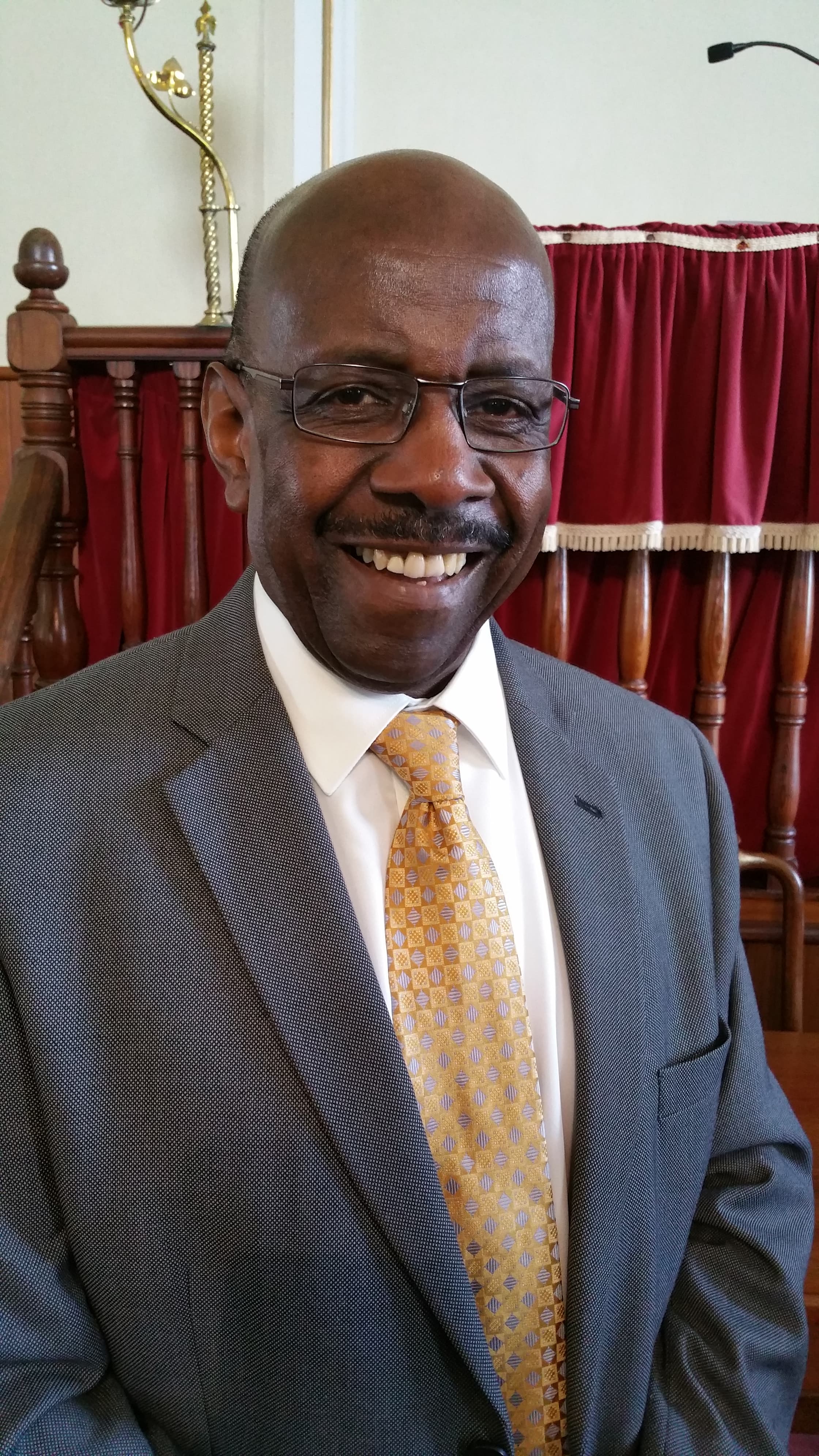
August 15th 2021: James Gleave

Luke 9:1-9 ‘Take Nothing for the Journey.’

As we have read Luke chapter 9, there is a lot to think about as we consider our own personal mission. John Wooden’s famous quote reminds us that ‘failure to prepare is preparing to fail.’ It is a quote that athletes plaster all over social media, alongside photos and videos of intense training. Preparation for a task is undeniably really important. Alexander Graham Bell knew this really well when he said, ‘Preparation is the key to success.’

When I think about what it means to be prepared, I think about making sure all the right things are packed, that I have got everything with me that I need to be well-prepared for a wide range of potential situations. For example, prior to driving down here on this holiday, I spent time counting out my T shirts and my socks. I made sure I was appropriately stocked for the duration of my stay. A few weeks ago, when I was camping in the Lake District, preparation involved making sure that me and my friend had means of storing clean water and cooking the food that we were going to buy. It meant making sure that we had a good mix of clothes, so we were prepared whatever the weather was going to do during our time there.

So, when I read these first few verses of Luke chapter 9, and this command to ‘Take nothing with you for the journey,’ it doesn’t sit well with the way that I’ve come to prepare things. In fact, one thing I do every time I go anywhere, whether it’s for a weekend or a week, is pack at least one extra shirt. So how are we to understand and interpret this morning’s command ‘to take nothing with us for the journey’ and what does it mean practically for us today?

The command, ‘Take nothing for the journey,’ as you might expect, is not quite as black and white as it might seem. Because whilst not taking the physical items that you and I might consider essential with them, the disciples do take some really important things with them as they start out on this mission for Jesus. We are going to look at each of them in turn this morning. We’re going to think about how they had companionship, command and calling with them, all of them provided by God Himself.

Firstly then, companionship. Jesus calls the 12 together. This band of brothers who follow Jesus and support His ministry, know each other just about as well as anyone else on the planet. They are, in essence, a little church family of believers all gathered together around the love of God.

Companionship is incredibly important, isn’t it? It is something that lots of us have found very difficult in the last 18 months with the isolation and separation from other people. We are social creatures, and for the most part we enjoy being around people and having relationships with other people. This is true across all aspects of our lives and is certainly true when it comes to our faith. We enjoy being around like-minded people. It makes exercising our faith more comfortable. It’s one of the reasons that things like Christian Unions are so important because it gives opportunity for like-minded people to come together to support each other.

In Mark we also read the same story that we read in Luke chapter 9. But Mark records it in chapter 6 in a bit more detail. He tells us that after Jesus brought the disciples together, He actually sent them out two by two. Jesus, the master teacher, is also a pioneer of that never-failing ‘buddy system. Jesus knows the value of companionship. The value of this companionship is to be a sense of support for the disciples as they set off on this mission. Not many people would understand the disciples mission that Jesus is sending them on. I think we could all agree that it’s a unique one, especially in the context of the time that the disciples lived in, or perhaps more so today. Most people, in the culture of the disciples, got up every morning, put on their sandals and their cloak and they go out to fish or to work on a farm, or perhaps to craft something. I dare say very few get up of a morning to go and witness the raising of the dead, for example, which the disciples had just done earlier in Luke.

This principle still rings true today. Not many people in 2021 in the UK, get up of a morning with a calling to share the message of a guy who walked around 2000 years ago as the Son of God. Not many people in the UK in 2021 believe in life after death, resurrection, miracles, the power of prayer or the significance of prophecy. The list goes on and on. But as we gather here today, there are people who have experienced these things and who share these beliefs.

As a result, it is imperative that we have a sense of companionship and a spirit of togetherness with our brothers and sisters in Christ, because when our ministry is difficult, or when it attracts the wrong sort of attention – as it did for the disciples towards the end of the passage that we read this morning – it’s our Christian family who will be there to relate to us, to understand us, and to empathise with us in a way that other people simple can’t. As a result, this can be a great source of strength, blessing and encouragement to us.

The other benefit of this companionship that the disciples took with them on this mission is that it gives them an opportunity to demonstrate the love that they have for each other as evidence of their discipleship. As they walk around through these villages, ministering and talking, they also have the chance through this companionship to love each other as Jesus of taught them. In doing so, they provide a practical, visual example of the transformative power of the gospel.

I really love thinking about Christian companionship in this way because I can often be quite quick to see church family and Christian companionship as good for being a means to support and encouragement, but I’m less quick to see it as an opportunity to show the difference that Jesus has made in my life. I think it’s something that would certainly serve me well to begin making a conscious effort to demonstrate the love that God has for me in the way that I interact with my Christian brothers and sisters, so that my way of life, as well as my message, are more attractive to those who don’t yet know Jesus for themselves.

You can imagine that the disciples go out on this mission, there will be times when the right physical preparation and the right practical arrangements won’t be nearly as important to them as knowing that they have someone with them to help maximise each unique opportunity, and make sure that their ministry is most effective and supported.

 So, having been brought together by Jesus so that they can take companionship with them, they are then bestowed with command, all power and authority, as it is described in the NIV. It says that they are given power and authority to drive out demons and to cure diseases. Having seen Jesus heal people who simply touched His cloak, having witnessed the raising of a young girl from the dead, the disciples will have known full well significance of this power that they have been given.

 I think there’s something in that for us to take hold if this morning. You see in our experience as Christians, as we have walked with God through various aspects of our lives, we will know, just as the disciples did, the power and authority that Jesus has. We have seen it in a variety of ways, at different times. When these moments come in our lives, where God sends us out in his power to do something for Him, we need to know to look back on our lived experience of the power of God, in order to have full confidence it, and full understanding of the sovereignty of God. The disciples know what is possible because they have spent time Jesus, learning from Him and seeing what He can do.

Now, as they are sent off into the world, this knowledge and experience which is the combination of their faith and the basis of their confidence, the disciples knew that they were being asked in their own strength was impossible. Perhaps this morning God is asking something of you which seems impossible? But when we go out in God’s strength and God’s power, as the disciples did, we know that all things are possible.

There’s something else significant about the example we see here of God’s power being bestowed upon the disciples. That is, it was specific. What I mean by this can be explained by briefly looking forward to verse 40 of Luke chapter 9. When a man asked the disciples to heal a demon possessed boy, they could not drive it out. What we see from this is that the provision of power and authority given to the disciples in verse 1 of chapter 9 is for a specific purpose. God equips them with all they need for this particular mission. The same may well be true in our experience; when God is asking you to do something for Him you can count on whatever power and authority you need, when you need it. You can count on God to be with you just enough time to carry out specific tasks that He is asking you to do. I think the significance of this is that the disciples can be left in no doubt that what they are doing is through God, and that they have to keep returning to God, to keep relying on Him for anything and everything they need to serve in each new avenue of service that they come across.

Charles Spurgeon once said that without the Spirit of God we can do nothing, we are ships without the wind, branches without sap and like coals without fire, we are useless. This is something that the disciple will surely have realised as they have this power and authority for this specific mission.

So, having been equipped with companionship and command, the disciples then received their calling in verse 2. This calling comes with some conditions. We’ve already referenced the fact they’re commanded to take nothing with them, not even an extra shirt. They are instead to rely on God and His provision through the good nature of the people whose towns they are going to visit.

They are told in verse 4 that whatever house they enter, they should stay there until they leave that town. I wonder how many villagers cottoned on to what was going on with the disciples, and pretended not to be in when they came knocking so as not to be the ones in the village left with these unexpected house guests, with no definitive departure date? Perhaps that’s just the cynic in me. In reality, we can assume that God was at work preparing the hearts of the necessary people and placing them in the disciples’ path at the right time, so that they were unhindered in their mission.

The command to stay in whatever house they entered was also significant; it prevented the disciples from going around looking for better accommodation. They weren’t to go around looking for five-star, all-inclusive hotels. This, combined with the instruction to live simply, i.e., to take no extra shirt, no bread, no money, no bag, meant the disciples would not be with the travelling people who were out to make money unscrupulously. In fact, they were to go out of their way on this mission to avoid any criticism for making money out of their work. As we witness for God, it’s important that we too are easily distinguishable from others around us, and conduct ourselves in such a way as to minimise the risk of any criticism which may distract from the message of hope that we take with us.

Peter writes in the New Testament, ‘Live such good lives among the pagans that though they accuse you of doing wrong, they may see your good deeds and glorify God on the day He visits us.’ Perhaps it’s in these moments in Luke Chapter 9 when Peter begins to understand the significance of this as he and his fellow disciples make every effort to be exemplary in their conduct, so as to bring glory to God and win people round to God in the message that they are sharing.

Another more detailed instruction for this mission arrives in verse five. The disciples are told that if people do not welcome them, they should leave the town, shaking the dust off their feet as they go. Whilst they might not have definitive departure date, they certainly weren’t hanging around. There’s a real sense of urgency in this instruction that the disciples receive. I don’t know about you, but it makes me sit up and take notice. You see, urgency is something that I often really struggle with. I get complacent thinking that I’m relatively young and perhaps not in the greatest hurry to share the gospel with everyone that I meet as soon as I meet them. But perhaps I would do well to take something in the spirit of this mission and apply it to my own.

 I think in our culture, as Christians, we are relatively good at being polite, sometimes too polite. We hate the thought of offending somebody. Perhaps, sometimes that makes us a little bit over cautious so as to avoid any risk of doing so. The disciples were not afforded such a luxury. They are told that if they are not welcome, to shake the dust off their feet and leave. It’s a symbolic way washing their hands and responsibility, saying that they’ve done all they can and, basically they should waste any more time on people who don’t want to hear the message, when there are other people who haven’t the chance to hear for themselves.

I’m not suggesting we have quite the same cut-throat approach to our evangelism here and now. I think it’s clear that there were specific time constraints on the disciples which necessitated a more blunt style of mission. I think we’re very fortunate today to have opportunity to build relationships with people and adopt a more long-term approach as we seek to share the gospel.

But just because we don’t have the same time constraints at the disciples had, doesn’t mean that we don’t have any at all. On the contrary, we must be aware that our time on this earth and with the people around us is limited. Our opportunities to share the good news with those around us are numbered. We must seek to strike a healthy balance between urgency and gentleness in our mission, so as to ensure that we can shake the dust off our feet, confident that we’ve taken our message of hope and good news to everyone that God needed us too. As Robert Moffat once said, ‘We’ll have all eternity to celebrate our victories but only one short hour before sunset to win them.’

So then, the disciples set off with very little in the way of physical comforts or belongings but with everything that they needed for the mission. They are joined together and sent out with command, representing God and loving and supporting one another as they do so. They are relatively unhindered by the burdens and the stresses of having to be practically and physically prepared. They are not slowed down by the discouragement of those who reject the message, but rather, in obedience they continued to press on as Jesus had commanded them to.

Bear Grylls once said, ‘Pack the right skills and the right attitude and you won’t need much else.’ The disciples took with them an attitude of faith and trust, packing the knowledge and the skills for this mission that they’ve learned from Jesus Himself. They went on without need for much else besides.

The impact of their mission was far reaching. Not only were people physically healed and able to hear the good news, but as we read, the impact of the mission reached Herod the tetrarch himself, the man responsible for killing John the Baptist. He’s understandably confused by the claims that John has been raised from the dead. His attempts to stop the spread of this message have certainly not worked. In fact, there are now more people spreading the good news, reaching more people, performing more miracles. The disciples’ attitude of faith and the way that they have been preparing with Jesus, has allowed God to achieve some truly incredible things. And as we know, this is only the beginning.

August 8th 2021: John Mann

Mark 7:31-37: A Saving Appointment with the Lord Jesus Christ

The gospels are filled with the miracles of the Lord Jesus Christ, as he confirmed the truth of who He claimed to be and who He is. We thank God for the accounts of the many miracles of Jesus that we read about and learn from.

As Jesus travelled through the area where He was, we read of many miracles. In chapter 5 we read of Jesus travelling through the region of the Gerasenes and we read of the healing of the demoniac who lived among the graves. Jesus healed that man. There is no other mention of anything else done in that particular account, no other incidents there.

 Immediately Jesus gets back in the boat and travels across the lake and there he meets with another two individuals who are in need: Jairus and his daughter who had died, and the woman who had suffered a bleed for twelve years. Jesus deals with them both. The woman is healed and Jairus’ daughter is brought back from the dead. There are no other mentions of other incidents in that particular area.

In chapter 7 Jesus travels another 30 miles, may be on foot, to Syro-Phoenicia and heals a Syro-Phoenician woman. There is no other mention of any other healing here. It seems that Jesus is keeping appointments with people to heal. He seeks out those who need His healing touch. At the same time, we realise these people have to be where Jesus is coming to find Him. They are desperate for answers, they want to find Jesus, only to find that He was ready to meet their need.

Salvation begins with people feeling the need for forgiveness and reconciliation. In loving kindness Jesus responds. He brings forgiveness and healing. The Lord Jesus Christ has called us to Himself. We find in salvation, He has come for us, granted us healing and deliverance from our sin. Have you had a personal appointment with the Lord Jesus Christ? Have you sought Him out?

Jesus is on His way back to the Decapolis. We have to ask ourselves why he would go back. His first visit hardly felt like a needy return. The people pleaded with Him to leave. He wasn’t welcome. Aren’t you glad that Jesus didn’t leave you when you first rejected Him? Aren’t you so grateful He never gave up on you? Jesus returned because He had an appointment. This should fill us with hope for loved ones who reject Him. He is able to save and to heal. Jesus is still saying, ‘I have an appointment with that person.’

This return visit will be different (v37). It is only the amazing loving kindness and grace of the Lord Jesus Christ can turn ‘Get out of our region’ to ‘He has done well.’ In verse 32 we see another person in desperate need, a man who is deaf and has lost the ability to speak. He lives in an isolated, silent world of his own, relying on others for his daily needs. In their care they take him to where Jesus is. The deaf and mute man must have been confused, wondering where they were taking him. He can see others are excited but doesn’t know why. His problem has cut him off from society.

Here is a picture of our spiritual condition before we know the Lord Jesus Christ. Do you remember a time when you were deaf to the gospel? When your physical ears heard but your spiritual ears were deaf? A time when the gospel went in through one ear and out through the other in spiritual deafness? This results in spiritual muteness, having nothing to say about the Lord Jesus Christ, no time to praise Him, being cut off from God. Our spiritual condition meant we could understand what it was all about. Sadly, in many of our churches this morning, the gospel goes in one ear and out of another. There is a world of difference between hearing and understanding.

The beauty of this miracle is Jesus came to open the lines of communication of our spiritual ears. The gospel is the truth. But in our natural condition we are deaf to its meaning unless we come to Christ. Then, by the power of the Holy Spirit, our ears are opened. We become hearers and experiencers of the gospel.

People took the time to take this deaf man to Jesus. Do you give thanks to people who lead you to the man who could heal you, when Jesus said to you personally, “Ephphatha! Be opened.”

These are pictures of the need of our day. The people had a heart to bring someone to Christ. Are we among the ‘some people’ bringing others to Jesus, or bringing Jesus to others through our testimony, our lives, our witness? We are called to reach our loved ones and neighbours by our testimony. How determined are we to take others to Jesus?

Do we notice how serious these people are? They begged Jesus to heal him (v.32). They believed Him. Are we begging Jesus to save others in our community? They were determined for him to know the healing power of Jesus. Can you imagine the man’s joy when Jesus heals him? Suddenly he hears for the first time. Are you filled with joy when you hear someone has been saved? There is joy for the deaf man and joy for the men who took him to Jesus. Do you thank God for the people who went out of their way to bring you to Jesus?

Jesus took the man aside (v33). Here we see this personal aspect of salvation. We are not forgiven as a group. Jesus wants a personal relationship. He takes us out of the crowd to have a personal appointment with Him. Jesus draws us aside from the company of others, from the distractions all around us. He says, ‘Will you accept me as your own Lord and Saviour?’

Then Jesus does this unusual thing. “Jesus put His fingers into the man’s ears. Then He spat and touched the man’s tongue.” (Mark 7:33). Why does Jesus do these strange actions? Jesus deals with each of us according to our own need. We come with our individual fears and doubts. What is the best way to connect with a deaf man? Sign language. Jesus touches the man’s ears and lips. He knows what the problem is, and He knows what the answer is. This would have caused many to resist, but not this man. He accepts the Lord Jesus Christ without turning away.

There are many people who know something is missing from their lives and may come looking to Jesus for an answer, but who are not willing to come without reserve. They want to be healed but not have an intimate relationship with a Saviour. They have missed the opportunity to be saved. But not this man. Whatever Jesus decided to do, this man puts his faith in Him. In this miracle, it is almost as if Jesus is kissing away the problem. We need to place ourselves into the hands of the only one who can heal our spiritual need.

Jesus looked up to heaven and sighed deeply when he said, “Ephphatha.” He has a deep love and concern in his heart for this man as He looks to heaven for his healing. He sighs with the same compassion He has for every one of us. Our healing is His passion. Salvation is the passion of the Lord Jesus Christ. That is why He came, that is why He was willing to suffer the scorn, the mocking, the rejection, the beating, the crucifixion and having God’s wrath poured out upon Him – because His passion is to save souls and to make us well. This is what Peter says, ‘He Himself bore our sins in His own body on the tree so that we might die to sin and live for righteousness. By His wounds you have been healed.’

If you are a believer this morning, it is not through anything you have been able to offer, nothing that you have done, no righteousness of your own. This deaf man had no possibility, not a hope of healing himself. There was nothing that he could bring to Jesus, that Jesus could say, ‘Well, I’ll help you, you’ve gone so far I’ll bring you the rest of the way.’ The man was helpless, powerless and hopeless, just as we are, outside of Christ. There is nothing we can bring whereby we can say, ‘I’ve made a contribution.’

We are totally dependent on the mercy and grace of God in the Lord Jesus Christ. We can just imagine what the man was saying when he began to speak (v.35). He would be speaking His praise. Jesus came and suffered and died so people like you and me could have our ears unblocked, to have our dead hearts brought to life.

Have you known a saving, personal appointment with Jesus? What words are on your lips?

Sunday Afternoon August 1st 2021: 199th Anniversary Service: John Funnell

Mark 8:22-26 Jesus heals a blind man at Bethsaida

Jesus came to Bethsaida, a small fishing village on the northern shore of the Sea of Galilee, an area where Jesus worked a number of miracles and was well-known. It was no surprise that people came to see Jesus and see this blind man. Notice what Jesus does in verse 23. He gets shown this blind man to heal and takes him out of the village. Jesus is God, author of all creation. He can heal this man there and then, but He didn’t want to cause a spectacle. This man is blind, vulnerable and not for entertainment. Jesus deals with him quietly, lovingly.

How does He heal him? He does it with touch. The word ‘hands’ is used three times. Jesus nurtures and guides him through this ordeal. Jesus uses His saliva (v23) to assist the man. Why spit? To show His love. If you burn your finger in the kitchen or hit it with a hammer, what is the first thing you do? Stick it in your mouth. If your son or daughter is dressed in new school uniform and has chocolate on their cheeks, what do you wipe it off with? Spit? You only use your spit on yourself and your children you love. If I saw toothpaste on your cheek this morning and went to wipe it off, you would think it a bit odd, but you wouldn’t think twice if I did it to one of my children. What we have here is a clear sign of Jesus’ deep-seated love for sinners like you and me –  a love that brought Him down from heaven to this fallen and broken earth, so he could so wonderfully and intimately clean us up. He touched this blind stranger as if he was His own son. Beautiful, isn’t it.

This afternoon, has called you away from your busy lives. He has called you out of the village, away from consumers, away from your worldly distractions and desires. He’s pulled you from your sofa and television to come here, by His grace, to His church. By His Spirit He enters into your heart. He comes to you as if you are the only person in the universe and says, “My child, I love you, and on the cross I gave my all to wash away your sins, so you can see me.”

Jesus takes this man away from the crowd and gives him His undivided attention. He heals him. What does he see? People like trees walking around. Is there any symbolism of walking trees? No. The blind man simply answers Jesus’ question as honestly as possible. Possibly, he saw his friends in the distance. Jesus then restored his sight fully.

The same, unchanging God is asking us to do the same; in the chaos of our busy lives, He is asking us, ‘What do you see when you come to Penuel Church?’ Be honest when you come to answer this question. I’ll tell you what I see. I don’t see trees here at Penuel. I see real people who love Jesus. United, rational, sensible people. People once blind to God but who now see clearly. When I come here, I meet with sincerity and honesty. You are all tangible proof of godly worship.

If you are struggling with your faith, your vision is blurred, look around. You might be small, but you are alive.

“I believe in Christianity as I believe that the sun has risen: not only because I see it, but because by it I see everything else.” CS Lewis quote.

Friends, you are so blessed to be in this church. Look to Jesus. Be honest with Him. Be clear and real with Jesus and He will guide you.

Sunday Morning, August 1st 2021 199th Anniversary Service: John Funnell

Mark 2: 1-12 Jesus forgives and heals a paralysed man

This miracle comes at the end of a tirade of healing. The Messiah has come. In chapter 1:29 Jesus healed Peter’s mother-in-law. In 1:40 Jesus healed a man with leprosy. He healed all who were sick in Capernaum. The news of these great miracles spread across the entire region of Galilee. It comes as no surprise that when Jesus returned to Capernaum, people gathered in great numbers. They were coming in droves to Jesus to be healed of ailments or to watch a spectacle of healing.

Four men come carrying a paralysed man. There is no doubt they are gutted when they saw a crowd squeezed into a little building where Jesus was preaching. They had come all that way, carrying a loved one, a grown man, in the hope that he would be healed. In verse 4 we read that they hatched a plan; they would carry the fully grown man all the way up to the roof and make a hole to lower him safely. This was no mean feat to get a paralysed, grown man through the hole. They must have been exhausted. They lower him down to where Jesus was, in great anticipation that Jesus would work a miracle.

There, in verse 5, Jesus says to the man, “Your sins are forgiven.” Think, for a minute, what these friends of the paralysed man would have thought when they heard these words. They must have been devastated. They see no physical difference as the paralysed man lies on the floor. Then, in verse 6, the teachers of the law accuse Jesus of blasphemy – only God could forgive sins. All they see is an impoverished Palestine carpenter.

So, we see, in verse 10, to the amazement of the crowd, Jesus heals the paralysed man. He does this to show He is God. He has the authority to forgive sin. What is going on? The eye- witness account raises so many questions. Why did Jesus only forgive sins to begin with? It would have saved a lot of arguments. Jesus is making a very clear statement – forgiveness from God is more important than anything, even your health.

Jesus preaches the Word to the people. He knew the hearts of the people in Capernaum, he knew they were coming for a show, not salvation. He wants to park the miraculous for a minute and get the gospel out there. He comes with serious truth that has eternal consequences for your soul. As He tries to proclaim the gospel, a paralysed man is dangled from the roof, so they can be entertained. In Matthew 11 Jesus says, “Woe to you, Chorazin! Woe to you, Bethsaida! For if the miracles that were performed in you had been performed in Tyre and Sidon, they would have repented long ago in sackcloth and ashes.”

Capernaum was a godless place, but God was reaching out to them, time and time again, with miracles. Jesus stood before them, the divine incarnate God, but they didn’t recognise Him. They didn’t fear God’s judgement. They wanted entertainment, they wanted a show. We can all be guilty of this. We can come to church, maybe anxious, feeling low, scared, in grief, in pain. We can come expecting God to free us from our daily hardship, forgetting our real need is God’s forgiveness. You are not in control, He is.

Leave this chapel in praise and thanksgiving. God has done a far more important work. He saved your soul from eternal damnation. We often forget death has no respect for age. Judgement can come at any time. For anyone of us here, tomorrow could be too late. Are you ready to meet your maker? Have you come here to get better or for your forgiveness? The answer you give to this affects your eternity. Do you know that in Christ your sins are forgiven, washed clean?

I love you all, so I say this in absolute love, if you don’t know Jesus as your Lord and Saviour today all, you are not ready. Without Jesus, you stand before God on your own. The all-seeing God knows your heart, your hidden sin and shame. He also knows your greatest need today is not miraculous healing, it is forgiveness. You may have come for great singing at Penuel, for healing, but this chapter tells us our greatest need is forgiveness. There is only one man, Jesus, who can save you. Only He paid the price for our sin in full. Trust the man who paid the price for your sin, because from God’s forgiveness comes healing.

Saturday 31st July 2021: John Funnell

Genesis 11:1-9 The Tower of Babel

I’m often asked if I can explain the Holy Trinity. God is three: Father, Son and Holy Spirit. Three totally separate and defined persons, yet also, at the same time, they are perfectly one. How can three be one? How does this work? Can you explain it? No, the truth of the Trinity is too deep, too profound, beyond our understanding. It proves to us that God is beyond our invention. We can’t make something up we don’t understand. We may not be able to understand the complexities, but we can see the Trinity throughout scripture. We can see the application of the Trinity in our prayer life. We come to the Father, by the Son, through the Holy Spirit. Our worship and salvation is Trinitarian. We know from scripture there is God the Father, God the Son and God, the Holy Spirit, united perfectly in their diversity. We are all wonderfully unique, yet we gather as one. We come with our differences, yet one voice. We are honouring Him as we celebrate 199 years of worship at Penuel.

Our God is three in one and this is expressed in the wonderful diversity of His Church. Together, in love, God the Father, the Son and Holy Spirit created everything. They are Triune. God made us in His image and His image is Triune. As image bearers of a Triune God, we, as human beings, can do amazing things when we unite. We can invent vaccines in record time in a pandemic, we can send people into space. When we unite in God, we can do amazing things.

Genesis 11 is a very famous Bible story, although it is a story that is often taught negatively. But it is a story filled with positive lessons regarding our human potential. We can do amazing things when we come together and unite in one voice. For 199 years Penuel has stood firm for the gospel – one common purpose – to reach the heavens. Nothing is impossible. “And the Lord said, “Behold, they are one people, and they have all one language, and this is only the beginning of what they will do. And nothing that they propose to do will now be impossible for them.” (Genesis 11:6). These are God’s words. Amazing! What an accolade from God’s mouth.

“Behold, how good and pleasant it is when brothers dwell in unity!” (Psalm 133:1).

But as we know, we see here the great Tower of Babel ends up failing. God divides the people through their language and scatters them. God can humble us at any moment. He will humble us if we get carried away. The big question for us is why did God humble the people building the Tower of Babel if they were doing such a good job? Their motive was wrong.

In verse 1 we see the people were moving eastward. Going East is very significant in Biblical narrative. It represents moving away from the presence of God. In chapter 10 we have a table of the nations, the offspring of Noah. This runs chronologically with chapter 11. The people listed in chapter 10 lived during the building of the Tower of Babel. Nimrod, a great builder of cities, was likely to have been involved in the building of the Tower; he lived at the same time and place. Nimrod’s name in Hebrew is ‘rebel.’ It is possible to assume the people were not following God and were following a rebel.

But there are other clues regarding the wrong reasons for building the tower, “Then they said, “Come, let us build ourselves a city and a tower with its top in the heavens, and let us make a name for ourselves, lest we be dispersed over the face of the whole earth.” (Genesis 11:4). This reason to build the tower goes totally against God’s reason for humanity. In Genesis 1:28 we read that God told Adam and Eve to multiply and scatter, “And God blessed them. And God said to them, “Be fruitful and multiply and fill the earth and subdue it.” This command was also given to Noah and his sons, “And you, be fruitful and multiply, increase greatly on the earth and multiply in it.” (Genesis 9:7).

God tells the people to scatter, but what do they do? The consolidate and build a tower. They were ignoring God’s command to scatter, therefore, they were going against God’s wishes. So, God rightly and justly undid their work.

Why were they not listening to God and spreading out across the globe? I argue that is was because of fear. If they had scattered, they thought they would be weak and vulnerable, totally reliable on God. They were scared of possibly another flood. God had judged the Earth and flooded it. Catastrophic judgement. A flood happening again was a genuine concern for the people of the Bible. They built the tower with bitumen (v3). God told Noah to use bitumen to waterproof the boat. In their fear and rebellion, the people didn’t want to scatter and so they attempted to protect themselves against God’s judgement, so they waterproofed the tower. They were not trusting God’s covenant promise, they were not trusting in God’s grace.

Friends, the tower of Babel showed what humanity could achieve as image bearers of our Triune God. They build a huge tower to the heavens but God destroyed it and scattered them. Why? Well because, one, arguably, they were following a rebel, Nimrod. Two, definitely, because they were disobedient to God’s command to scatter. Three, they didn’t trust in God’s covenant grace. They were waterproofing. They trusted in themselves instead of going to a God of grace. They were scared and feared another judgement, another flood because they were going against God. They centralised their operations. They tried to get to heaven on their own terms. They should have submitted to His grace, trusting in His provision, looking to the rainbow and live free, abiding His love.

As a church today, right across Wales, we are guilty of doing the same thing. The Church in Wales is in massive decline because of it. We have ageing congregations, we are weak, we are low on numbers and low on resources. As a result, we fear closure, so we have stopped taking risks. We don’t want to scatter, we don’t want to spread ourselves too thin. In our desperation, we have forgotten God’s covenant promise. We really should be trusting in God in our weakness. In our fear we create holy huddles, trying in vain to protect ourselves. We are content to stay in our little chapels, worshipping how we want to. We stay and waterproof. What should we do instead? We should trust in His voice, trust in our weakness that God is gracious. The tower of Babel reminds us of what we can achieve when we work together. “And the Lord said, “Behold, they are one people, and they have all one language, and this is only the beginning of what they will do. And nothing that they propose to do will now be impossible for them.” (Genesis 11:6).

God did not save your soul to build a tower to heaven, to come to God your way. He saved you to go out and take risks, to scatter the gospel, in one voice, in unity, to the community He has called you to serve. Friends, the good news of the gospel, the good news we cherish, is we don’t have to build towers to reach heaven to meet with God. We come to a God who comes down to us, “And the Lord came down to see the city and the tower, which the children of man had built.” (Genesis 11:5). As Christians, we have Immanuel, God with us. Jesus Christ came down, so we don’t have to build up. It is by His grace, not by our works, that we are saved, so that no man might boast.

 Jesus came down and showed us, in utter weakness on the cross, that all sin and death can be obliterated. He rose again, and promises to be with us until the end of the age. He gave us that promise so that we can do church as God intended – which is to spread ourselves thin, to take risks for the gospel. God prefers that way, doesn’t He? His power is made perfect in our weakness.

Penuel Church, I love you. You are a small congregation in the middle of nowhere, yet you are utterly untied in your faith to keep going. When I come here, I meet with Jesus. He is here. Your faith to keep going, your faith to reach out into the community in your weakness, is a lesson for the church right across Wales. I pray that you will continue to spread yourself thin for the gospel, trusting in God’s ways.

July 18th 2021: Paul Daniel

Acts 5: 12 -42

We are sitting here, on a lovely sunny day in Roch, because two thousand years ago men and women stood and were beaten for the sake of the gospel. It is a privilege to come together, knowing that others before us took a beating so they could share the gospel, and then their sons and daughters could share the gospel, and their sons and daughters could share the gospel, and we have that beautiful privilege of meeting in freedom today.

This passage of scripture is quite challenging. I don’t know how you would respond if you were living at that time, and you were told not to go and tell people about Jesus, or you would be put into jail. What would you do?

The Book of Acts, Luke’s second volume, records for us what the early church was like. Luke’s first volume, his gospel, tells us all that Jesus did and taught. His second volume, Acts, tells us all that the risen Jesus did. So, we see here is Acts of the Apostles, or you could say, Acts of the Risen Jesus. We now look at everything Jesus did through His Spirit. He has ascended into heaven, and He sent His Holy Spirit. His Holy Spirit lives and dwells in His people and they are helping His people live for Him. When you open the book of Acts you realise that there is a small group of people who follow the Lord Jesus Christ. These are the people who turned the world upside down. You and I stand on their shoulders.

Has God’s Spirit changed? Is the Holy Spirit who helped Peter on the day of Pentecost, when he preached to thousands, changed? Has God’s mission changed, to save a people for Himself? Has Jesus Christ changed? Has the cross changed? Is the cross not the same cross that Jesus Christ bled and died on and that is the only means and way of salvation? Has anything really changed? No! Nothing has changed. When Jesus Christ ascended into heaven, the Bible says He is waiting to return. We live in the last days, waiting for Jesus Christ to return. God’s Spirit has not changed and the cross stands still as the only means of salvation. God’s mission has not changed. He desires a people for Himself, even from Roch. The Commission has not changed. God has not changed. Until Jesus returns our mission hasn’t changed – we are called to be His witnesses to the ends of the earth. Take the gospel of our Lord Jesus Christ and share it with others who do not know him.

Pray drives evangelism. The apostles were doing many signs and wonders, and people were being healed. In chapter four, the apostles had already been arrested (4:29-30). They prayed and their prayer was answered. God is the same yesterday, today and forever. If you believe this and have a God-Man who intercedes for you, you can pray to Him. The apostles prayed and were able to do extraordinary things. If you think, ‘Well, I couldn’t do that,’ you would be right. But God can! Christ healed a blind man, the deaf and the lame. God can do all those things because He is God. Evangelism is driven by prayer. God is the one who opens all the doors, who gives us opportunities, the one who answers our prayers. It is ludicrous, as Christians, we don’t pray to the God of heaven, the giver of all things. Pray for an opportunity to witness for the Lord Jesus Christ.

Evangelism is about speaking life. The apostles were arrested because they were preaching and they were healing. They were doing all sorts of wonderful things. But the High Priest didn’t like it, the Sadducees didn’t like it. They arrested them (v.17). They put them in a public prison. But an angel of the Lord brought them out and said, ‘Get on with it! Go and stand in the temple court and speak to the people words of life.’ (v.19). The apostles got together (v.21). Did they have a big discussion whether they should obey the angel? No. An angel of the Lord comes and tells them what to do and they do it. They are obedient and they go. At the Ascension Jesus Christ ascended into heaven and a cloud hid Him from their sight as they were watching. Immediately two angels come down and said, ‘What are you doing looking at the sky? Why are you looking up there when you should be looking all around you and getting on with the task of evangelism?

Evangelism is about speaking life. It is so important that an angel of the Lord comes and breaks them out of prison and tells them, ‘Get on with it.’ My friends, this is not a message about purchasing some goods, what colour paint you should buy, what your homes or gardens should look like. It has got nothing to do with this. This is about the words of life. This is about life that every one of us needs, that we live in a beautiful but broken word, that sin has entered in and the wages of sin is death. We experience sin in our bodies and we get old and we creaky and things fail. Yet Jesus Christ came to deal with the problem of sin and death. The good news about the gospel is not just having your legs healed and about being able to see. There is much more than that. It is about having this new life where you have a relationship with God, where you will know Him now and forever, into eternity. We are called to go out and give the words of life. Jesus Christ is the only way. There is no other way in which men and women, boys and girls can be saved. We need to know what God is calling us to do, what is He calling us to be more urgent about in our speaking to others?

Evangelism is driven by prayer, evangelism is about speaking life, but evangelism is about what God is doing. The apostles go back into the temple courts (v.27) and once again they are brought back to the Council, questioned and told, ‘We strictly told you not to teach in this name, yet you are doing the things we told you not to do!’ And they reply, “We must obey God rather than men,” (v.29). Scripture calls us to obey the authorities. In one sense, they are obeying the authorities. They get arrested and they don’t oppose being arrested. They let themselves be arrested. There is one thing we cannot disobey and that is we must be obedient to the laws. But here they are in Acts chapter 5 saying they must obey God rather than men. Even though they are told not to speak in the name of Jesus, they say,’ No, we must obey God, because here are the words of life that people must hear, for there is no other name.’ That’s what Jesus did, isn’t it? He obeyed the will of His Father, not His own. There, in the Garden of Gethsemane, He was sweating drops of blood, knowing what He would go to, yet He did it, “Not My will but Yours.”

You and I face many dilemmas today, we are faced with complicated situations. We live in a very privileged society, in a very privileged country where there really isn’t that much dilemma about obeying God. We have freedoms, and as we have these freedoms we are not challenged, are we? There is no-one really threatening to put us in prison here in Roch. Don’t get me wrong, there might be cultural variations, there might be regional variations, there might be other variations, maybe a part of a city where it might be more difficult. But it is not about what is happening there, it’s about what is happening here. What is God calling you and me to do?

We have this word of life, and we are living in not difficult days but complex days. With God’s help, we will all know is it that God is calling us to do.

Evangelism is driven by prayer, evangelism is about speaking life, evangelism is about what God is doing in and through us. God is the one who is saving. Finally, the way we live can really help (v 38-39). The apostles are persistent, they are not giving up, they are willing to be put into prison time and time again. If it is from God, God is not going to fail. If this is from God, don’t get in the way or you will be opposing God.

My friends, as you and I live out our lives, as we go about sharing the gospel, the way we live really can help people to hear the gospel. You and I might not have a single conversation with somebody this week, but the way you live really can influence the way people listen to the gospel.

Evangelism is driven by prayer, evangelism is about speaking life, evangelism is about what God is doing in and through us as we are obedient to Him, and the way we live can really help us in our evangelising.

July 4th 2021: James Sibley


Psalm 61

Have you ever had to cry out for help? May be as a child calling out for a parent, or calling for the emergency services? In Psalm 61 we see King David doing exactly that – crying for help. He wants more than help, he wants God to help him. What is David facing? He calling to God because his heart is faint. He is experiencing distance and disconnection with God. He is separated from God’s living presence. We are not told the context of this psalm. The previous Psalm 60 tells us exactly when this psalm took place, but not for this one. Context can be really helpful, but we can’t leave the psalms in that context; they have been taken and made into a hymn book for all nations. We should be able to pray them and sing them in our own lives. The Psalms are to be echoed and owned by ourselves.

Are we feeling like David in verses 1 and 2? Or have we felt that way before?

1Hear my cry, O God,
    listen to my prayer;
from the end of the earth I call to you
    when my heart is faint.
Lead me to the rock
    that is higher than I.

May be, you have felt this way when prayers seem to go unanswered, and God seems far away.
May be, you sin has left you distanced and disconnected? May be, you have drifted from God in lockdown – not a conscious rejection but drifted away? May be, you are worn out and fed up with life? Possibly you are approaching old age or experiencing grief or loss? You may be full of joy. But be prepared to hold on to Psalm 61 when the times get tough. We have hope for our hearts.

In the second half of verse 2 David expresses his sense of hopelessness, “Lead me to the rock that is higher than I.” What David is saying is, ‘I can’t do this on my own. I’ve reached the end of my tether.’ When we see David’s sense of helplessness, it is ultimately the right way to feel in those situations. The solution is beyond our control. We need to reach out for help. David is crying out for, ‘the rock that is higher than I.’ He is saying, ‘Take me up, out of reach.’ This metaphorical imagery is a place of safety which only God can take him. If you are feeling desperate and helpless, it is freeing to realise and know it is time to stop struggling and cry out to the One who can help and will help. We need to recognise we are in trouble and look to the one who can help and will help. That is ultimately what repentance is, when we cry out, “God, I need you. Hear my cry. I need you.”

How does David expect God to meet his needs? What is he praying for? He looks for a rock (verse 2) and for refuge, a strong tower,“3 for you have been my refuge, a strong tower against the enemy.” A rock is a solid foundation, a place of security. In sin, struggles, affliction or loss, we need something to hold onto. We need a place of protection, a refuge from sin and suffering and the attacks of Satan. We all need to be rescued from our sins. God is our rescuer. In the Old Testament a rock is also an image of refreshment, (Israelites in the wilderness). When we think of a rock, think of God’s provision. David needs God to come to Him and sustain him.

David is also looking for God’s presence, “Let me dwell in your tent forever! Let me take refuge under the shelter of your wings! Selah” In the tabernacle, in the Holy of Holies. On the Ark of the Covenant were two cherubim on the Mercy Seat. David could be thinking of God’s presence on Earth. The wings are also imagery of God’s care – to provide shelter under His wings. David is thinking of a place he wanted to go, but couldn’t – the Holy of Holies.

What gets in the way of things as we walk through life? Sin. Sin separates us from God’s presence, His protection and His provision. In Jesus we find the One who brings God’s presence to us, who takes our sin away.

Verse 4 is the key to the psalm, “Let me dwell in your tent forever! Let me take refuge under the shelter of your wings! Selah.” David cries out for the presence of God, from saving from sin. This verse goes so well with John 1:14, “And the Word became flesh and dwelt among us, and we have seen his glory, glory as of the only Son from the Father, full of grace and truth.” John says God has come, the Word has become flesh. He is among us – a man, in Jesus Christ, dwelling among us. David cries out from the ends of the earth and now we see Jesus has come from the ends of the earth to meet us. Jesus knows our pain, our temptations. When we experience all the emotions of Psalm 61:1-2, we can see a Saviour who has come down to meet us in our place of need.

Verses 1-5 are a personal prayer of David which we can adopt.

1Hear my cry, O God,
    listen to my prayer;
from the end of the earth I call to you
    when my heart is faint.
Lead me to the rock
    that is higher than I,
for you have been my refuge,
    a strong tower against the enemy.

Let me dwell in your tent forever!
    Let me take refuge under the shelter of your wings! Selah
For you, O God, have heard my vows;
    you have given me the heritage of those who fear your name.

There is a change from verses 6-8. Verse 6 switches to David, the king, 6 “Prolong the life of the king; may his years endure to all generations!” This may be praying for King David, but ultimately David is echoing what was said in 2 Samuel 7. When David and the people are praying, they are looking beyond David to the King who will come to walk our path that would take Him to the cross, where He would be made sin for us, but then three days later would rise again in power and glory. He appeared to all those witnesses and then ascended to heaven, where the psalm is now fulfilled, May he be enthroned forever before God; appoint steadfast love and faithfulness to watch over him!” We have someone who is there for us so we might know the protection and provision of God. We have the very presence of God in us, in the Holy Spirit.

Can we expect, because we have God’s presence, to have only good times? No. But we do have a sure foundation on which to build our lives. We see this Psalm play out in Romans 8:31-39,

31 What then shall we say to these things? If God is for us, who can be against us? 32 He who did not spare his own Son but gave him up for us all, how will he not also with him graciously give us all things? 33 Who shall bring any charge against God’s elect? It is God who justifies. 34 Who is to condemn? Christ Jesus is the one who died—more than that, who was raised—who is at the right hand of God, who indeed is interceding for us] 35 Who shall separate us from the love of Christ? Shall tribulation, or distress, or persecution, or famine, or nakedness, or danger, or sword? 36 As it is written,

“For your sake we are being killed all the day long;
    we are regarded as sheep to be slaughtered.”

37 No, in all these things we are more than conquerors through him who loved us. 38 For I am sure that neither death nor life, nor angels nor rulers, nor things present nor things to come, nor powers, 39 nor height nor depth, nor anything else in all creation, will be able to separate us from the love of God in Christ Jesus our Lord.”

Here is a promise, “In all these things we are more than conquerors through him who loved us.Christ Jesus has brought us His presence, His protection and His provision.

June 27th 2021: Paul Daniel

2 Timothy 1:1-14

We live in an age of influence. There are more and more celebrities who have an impact on what people do. We are bombarded with advertisements and Youtube channels. Influencers can drive us; they can change the way we look and how we talk. Influencers can change the way we shop. If influencers haven’t got Jesus as king of their lives, it’s going to distract you. This past year we have seen a change in the way we have been influenced. It’s been complicated. We want things to be better than before.

As Christians we need to be thankful of those who have influenced us. Paul is writing to Timothy and reminded him of the influence of his grandmother Lois and his mother Eunice. This morning we should be utterly thankful to those who have influenced us. Paul, in prison, is writing to Timothy in Ephesus. Paul is reminding Timothy as he goes forward, of what he needs to be influenced by, of what is going to shape his ministry in the church and the future. Today we hear so many voices, like the voice of the government. If you listen to too many voices, it becomes confusing. This letter to Timothy is really helpful for us; it has key doctrines of what must always be at the heart of our Christianity.

This letter reminds us of the impact of the Spirit of God. In verse seven we read, “For God gave us a spirit not to fear but of power and love and self-control.” As we have seen this week, the media can break a family, a relationship, in one single image on the front cover. But God sees and hears everything. He can reduce everyone’s lives in a moment, but he doesn’t. He offers his grace. The Holy Spirit brings new life. Our life begins to change. He moulds us to be more Christ-like. His spirit helps as to apply and understand God’s words. We’ve been bought by the precious blood of the Lord Jesus Christ and called to live for him.

The beginning of verse 8 reads, Therefore do not be ashamed of the testimony about our Lord.” We are called not to be ashamed, not to be worried about what others think of us. All of us are sinners. We need to be saved by grace. We are reminded in verse nine that it is God, who saved us and called us to a holy calling, not because of our works but because of his own purpose and grace which He gave us in Christ Jesus before the ages began.”  There are somethings none of us can do or be able to do, that only God can do. God alone is the one who can rescue us from the Kingdom of darkness and bring us into the Kingdom of light. We can explore the universe and go to the ends of it, but we will never be able to save ourselves from the sting of death. The gift of God is eternal life in our Lord Jesus Christ. The power of God makes it possible to be made right with God.

As we start to rebuild churches and ministries, what are we then to do? To declare that God alone can do what we can never do. In verse 10 we read it is ourSaviour, Christ Jesus who abolished death and brought life and immortality to light through the gospel.” Jesus Christ has destroyed death. He says in John 14 :6, “I am the way and the truth and the life no one comes to the father except through me.” Friends, are you reminded of that soul single truth this morning? Jesus Christ alone can destroy death.

In Christ alone my hope is found;
He is my light, my strength, my song;
This cornerstone, this solid ground,
Firm through the fiercest drought and storm.
What heights of love, what depths of peace,
When fears are stilled, when strivings cease!
My comforter, my all in all—
Here in the love of Christ I stand.

We have to remember what Jesus Christ has destroyed. If you have put your trust in Jesus Christ, when He calls you home or returns, you are free. Why are we here this morning? To gather and worship God. But we are also here for a purpose, we are here to serve. What is God calling you to do? In what ways is God calling you to serve? Paul is writing to Timothy from prison, he is serving his life out in prison. Timothy is living life in Ephesus where people were trying to distract the church. We live in a fallen world, and we are called to serve in a fallen world. There are challenging times ahead. It is the Spirit who empowers us.

Verses 11 and 12 say, “I was appointed a preacher and apostle and teacher, which is why I suffer as I do. But I am not ashamed, for I know whom I have believed, and I’m convinced that he is able to guard until that day what has been entrusted to me.” Paul makes it clear that contentment requires effort. We have been called by God to live lives that are holy. We are also to be ready to give a defence for the hope that is within us. To have Christian contentment, remember God is with us in all things and in all times.

“Follow the pattern of the sound words that you have heard from me, in the faith aunt love that are in Christ Jesus. by the Holy Spirit who dwells within us, guard the good deposit entrusted to you.” (2 Timothy 1:13-14).